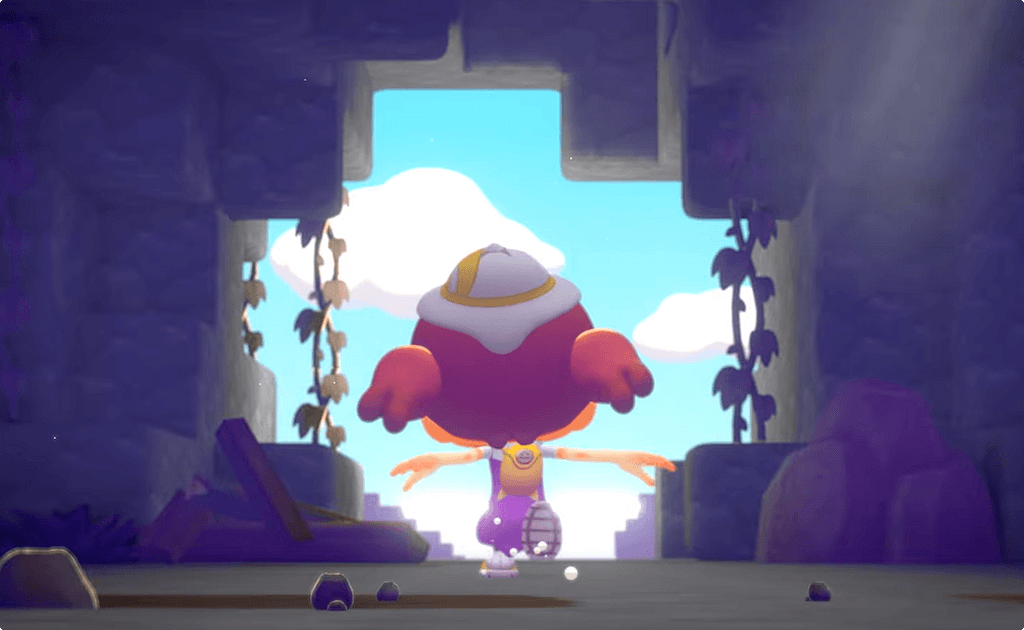
Animal Crossing: New Horizons sold 11.77 million units in its opening weeks, launching the same week California issued its first pandemic stay-at-home order in March 2020. That timing was coincidental. The audience response was not. Stardew Valley, built by a single developer, has since reached 50 million copies sold. Pokémon Pokopia launched in March 2026 with an 89 on Metacritic: a life sim with no fail states, no timers, no enemies. The share of Steam titles grossing over $100k that self-describe as cosy grew more than 6 times since 2022, per GameDiscoverCo. This is not a niche.
The reason this genre works is documented, not assumed. A sentiment analysis of Animal Crossing tweets during the pandemic found 72% of players associated it with relaxation. A Frontiers study found anxiety levels correlated specifically with increased Animal Crossing engagement, not gaming broadly. Game design research collective Project Horseshoe defines cosiness as three things: safety, abundance, and softness. That is a psychological state brief, not an aesthetic one. Self-Determination Theory identifies autonomy, competence, and relatedness as the core needs for genuine wellbeing. Qualitative research with pandemic-era players confirmed Animal Crossing satisfied all three simultaneously, at a moment when ordinary life was failing to provide any of them.
The full piece is worth reading for its argument that cosy game mechanics are a transferable design framework, not a genre curiosity. The breakdown of low-stakes agency, restorative environments, and emotion-focused coping maps directly onto product design decisions for anxious users. The caveats are also present: excessive use among people already struggling can work against them, and the genre is a recovery tool, not a treatment. The gap between those two things is where the most useful design thinking lives.
[READ ORIGINAL →]