Science News
Science and technology research, biotech advances, space exploration, climate tech, and health innovation.
10 articles
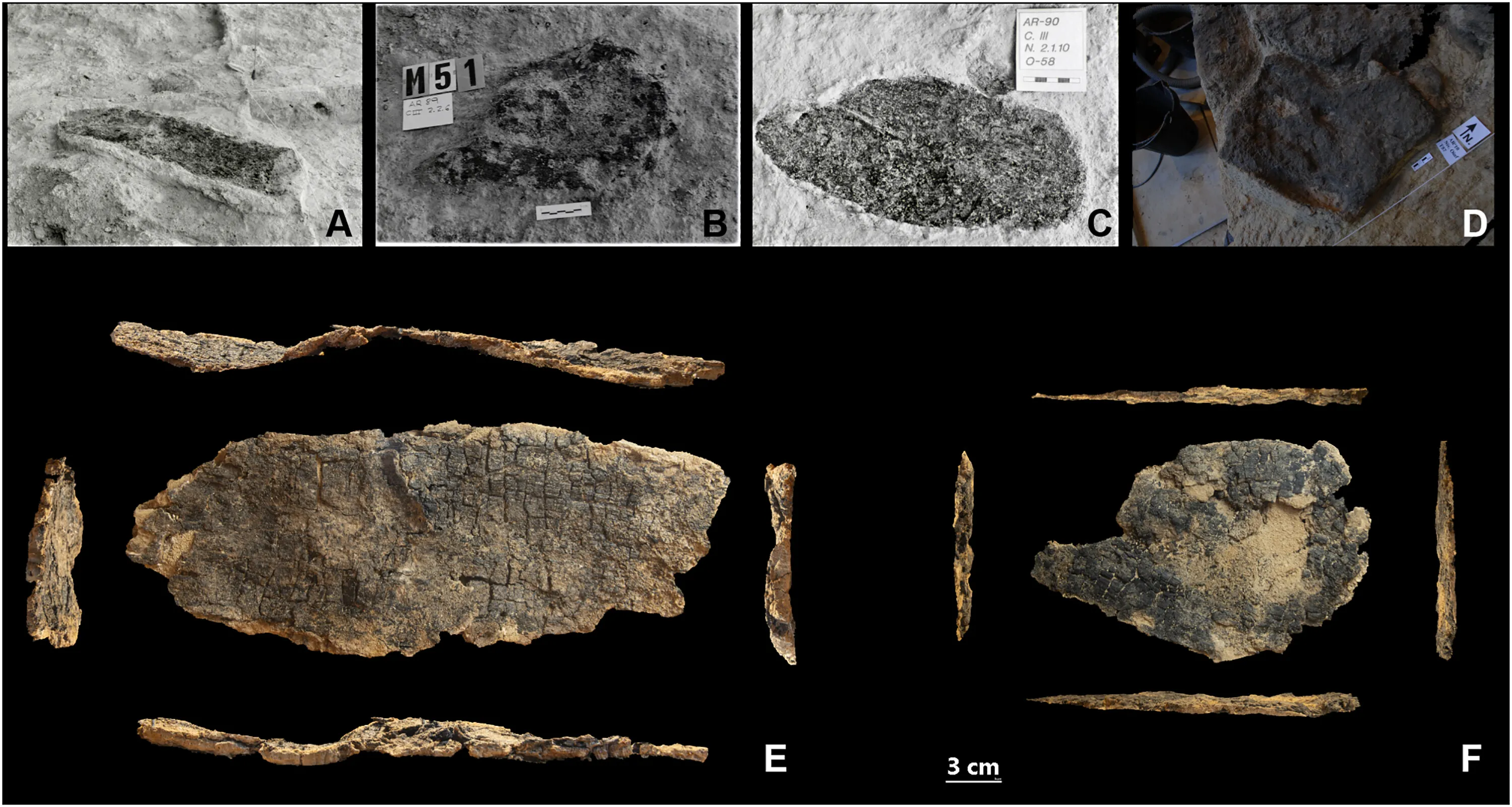
Unique Archeological Discovery Sheds Light on Neanderthal Wooden Tool Usage
Archeological findings at Abric Romaní in Spain reveal new insights into Neanderthal wooden tool usage through analysis of a limestone cave site with thousands of years of humanoid occupation.
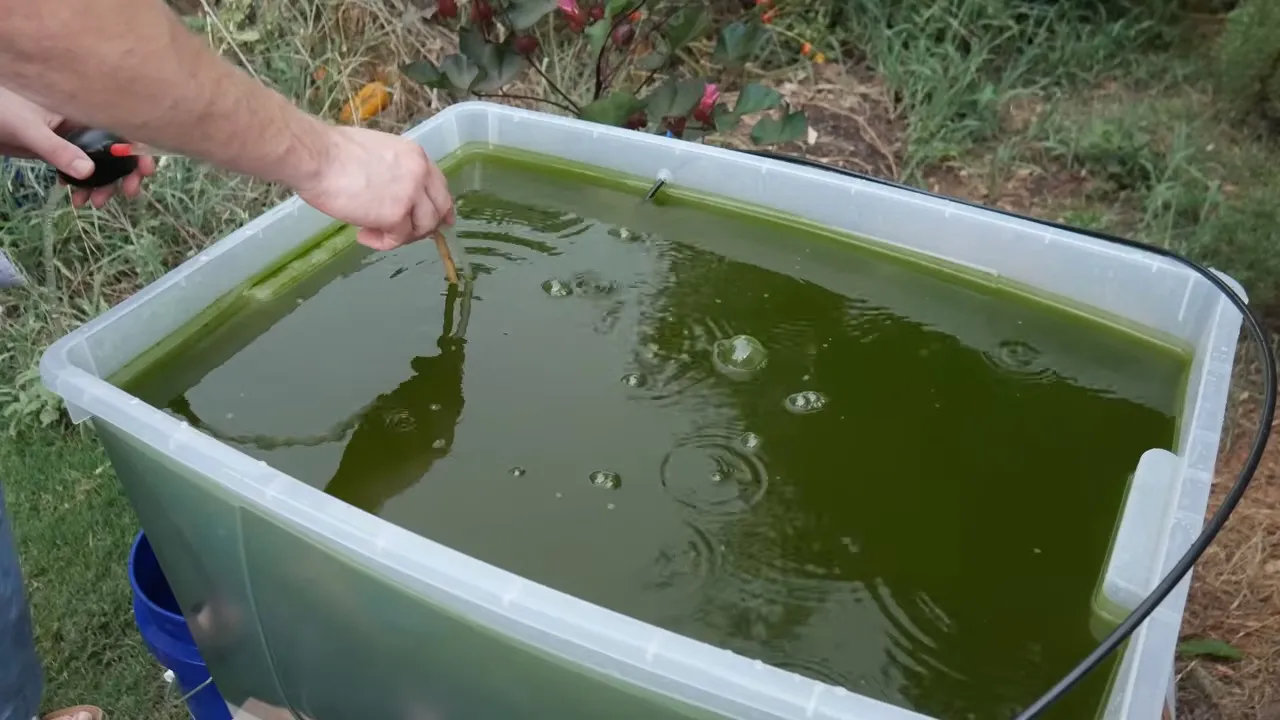
DIY Algae Biodiesel is Harder Than You Think
A DIY enthusiast attempts to create biodiesel from algae but discovers the process is far more complex than expected, ultimately switching to sunflowers.
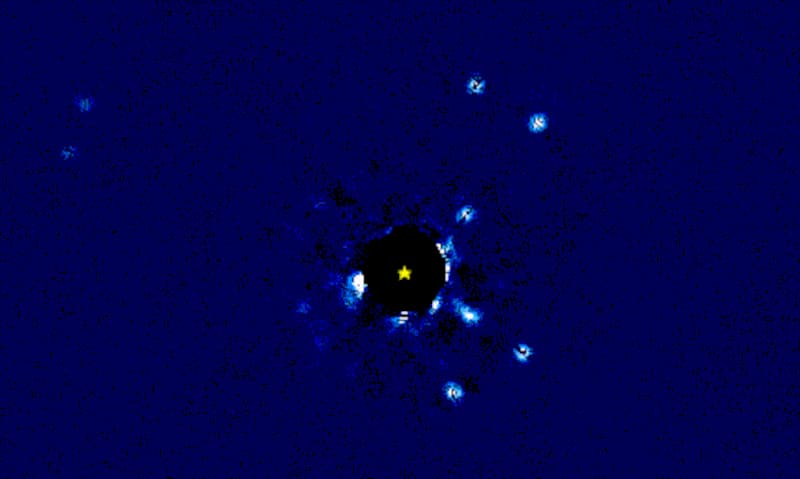
That’s No Moon… That’s an Exoplanet!
Researcher uses years of telescope imagery and motion interpolation to visualize the orbits of distant exoplanets, making previously invisible cosmic objects visible.

Determining Diamond’s Properties Under Extreme Pressures
Lawrence Livermore researchers use laser-induced shockwaves to determine diamond's melting temperature under extreme pressure, correcting previous theoretical estimates by hundreds of degrees.
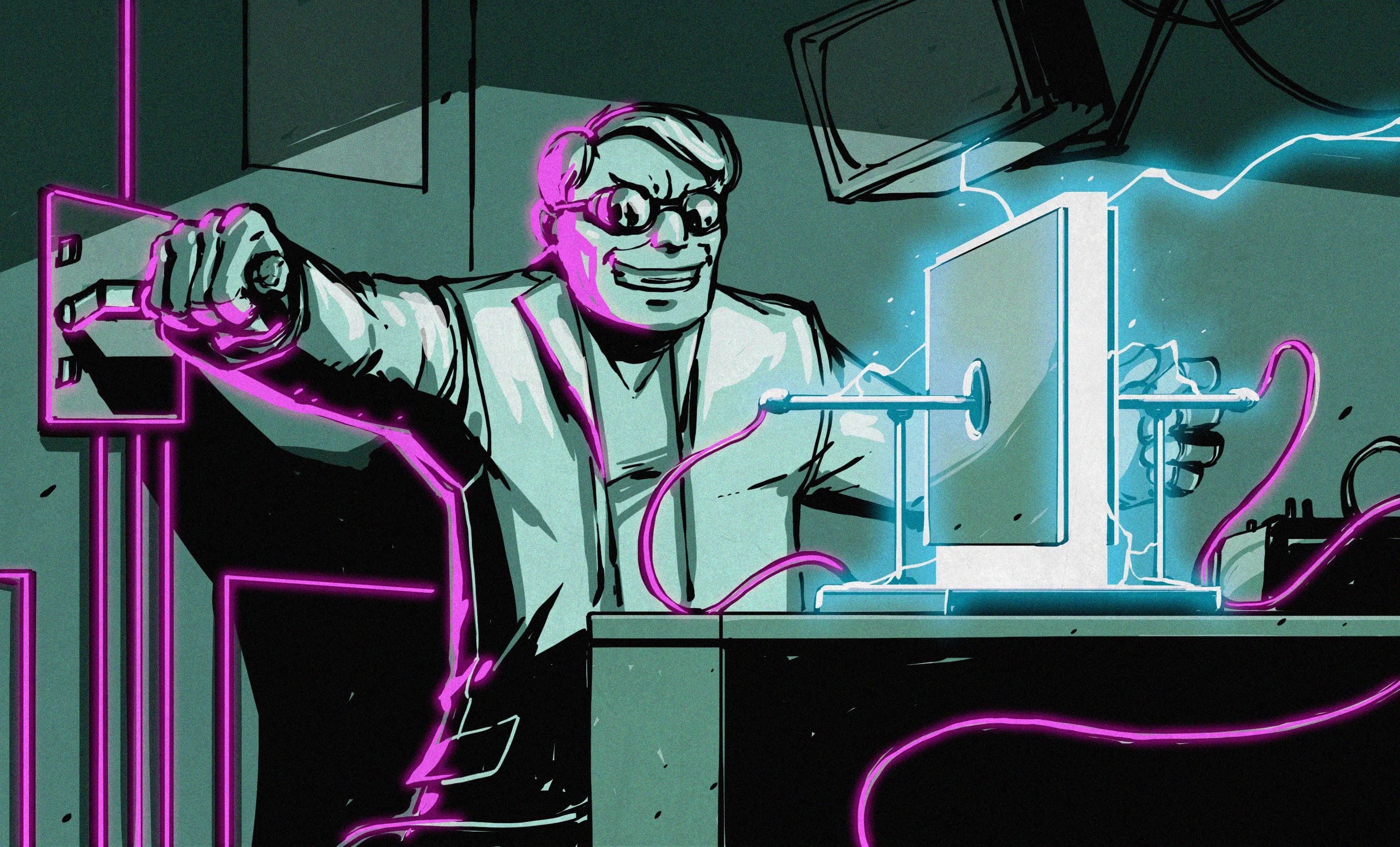
Testing Coulomb’s Law and Similar Fundamentals Yourself Remains Tricky
Exploring the challenges of recreating fundamental physics experiments like Coulomb's law at home, revealing why basic demonstrations remain surprisingly difficult.

Hackaday Links: September 27, 2026
Harvard researchers detect radio signals from nearby exoplanet Beta Pictoris B, marking the first localization of RF emissions to an exoplanet.
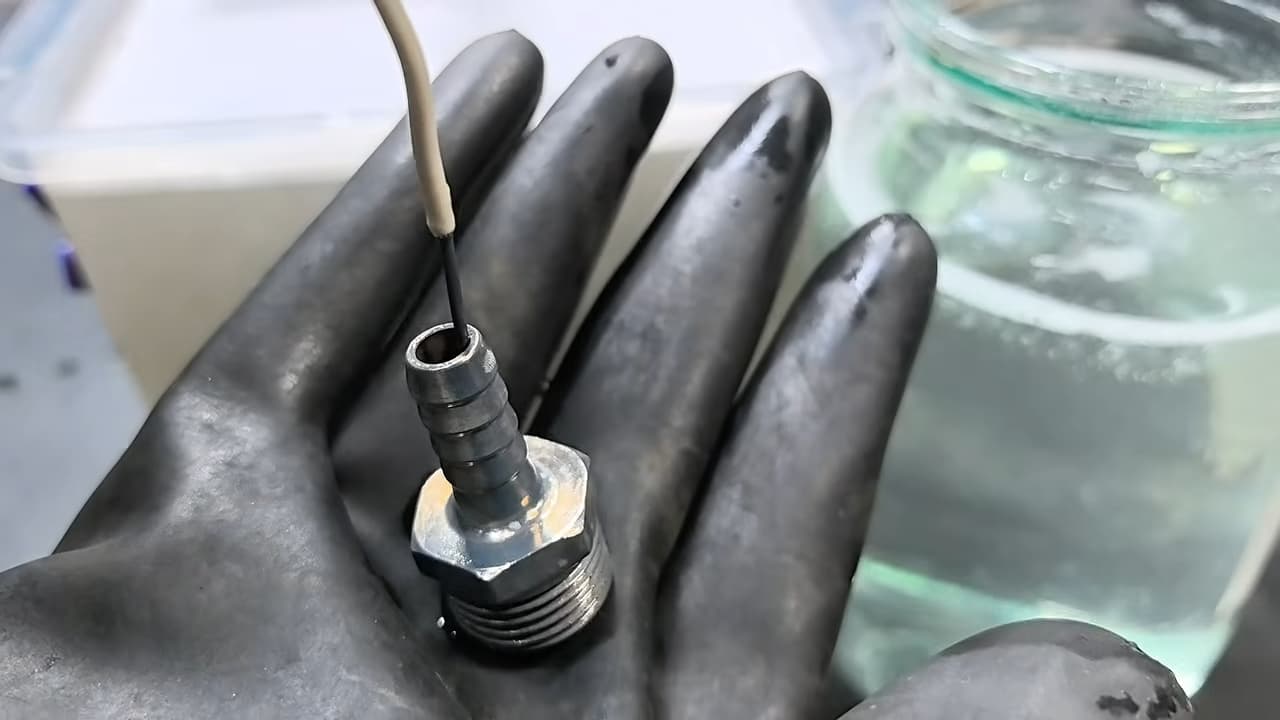
Basically, Galvanizing Metal Without Acid
A new acid-free galvanizing method uses strong bases instead of acids to coat steel and iron with zinc for rust prevention, making the process more accessible to home workshops.
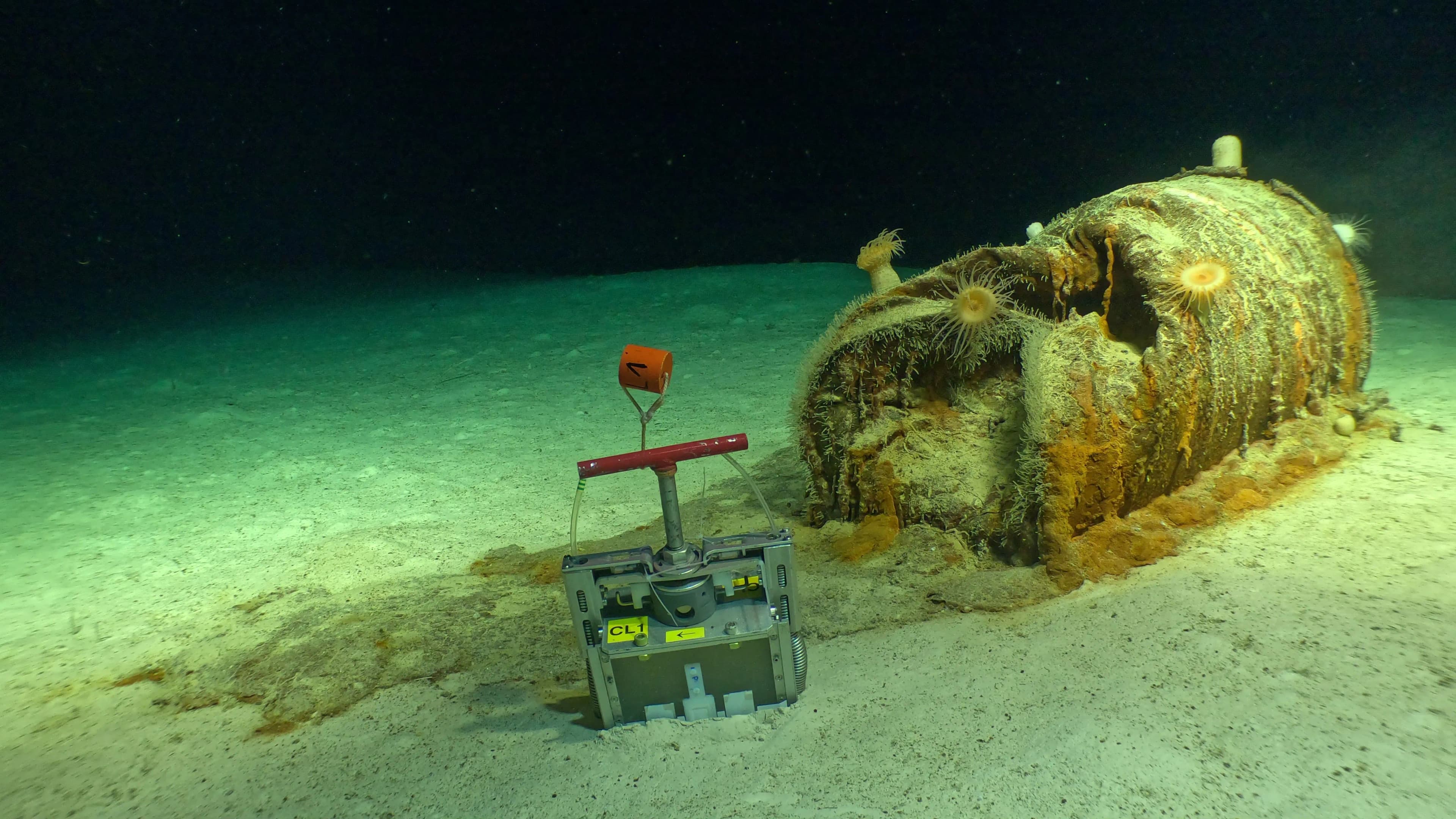
The Low-Level Waste Dumps in The Atlantic Have Become Ecosystems
French researchers studied thousands of radioactive waste barrels dumped in the Atlantic Ocean between 1950-1990, finding they've unexpectedly become functioning ecosystems.
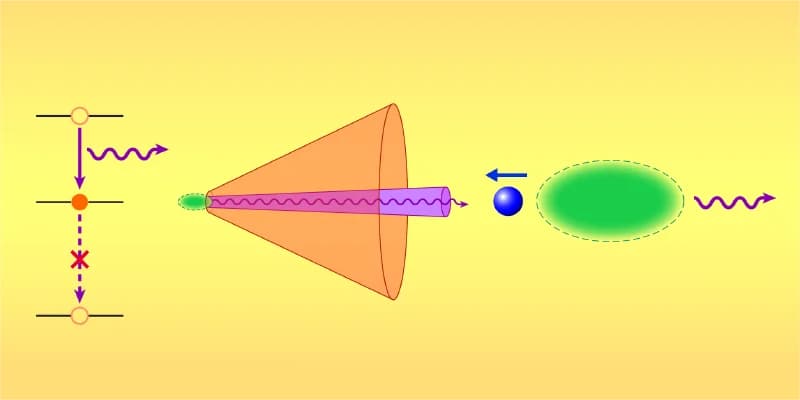
New Research Suggests that a Neutrino Laser is Impossible
MIT researchers publish findings showing that neutrino lasers are likely impossible due to the high energy and speed of neutrinos compared to photons.
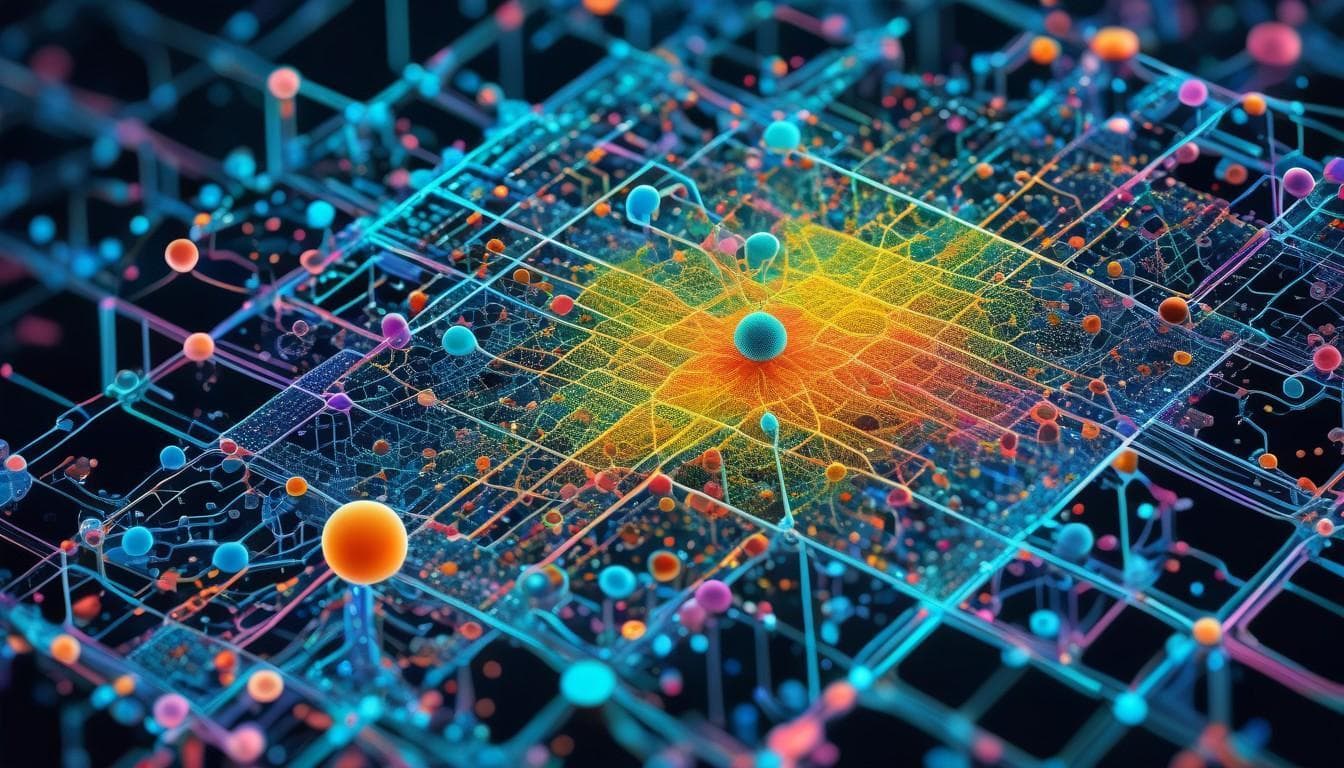
Deep learning for single-cell sequencing: a microscope to see the diversity of cells
Explores how deep learning techniques are advancing single-cell sequencing technologies to analyze cellular diversity at the individual cell level.