Biopharma ignores massive markets. VC incentives, regulatory paths, and academic snobbery funnel startups toward a narrow set of diseases. Fertility and aging, two areas with clear science and enormous human stakes, are nearly empty. Hayashi's lab in Japan has already produced live mice from two biological fathers using induced pluripotent stem cells. The human analog, letting any two adults have a genetic child together, is scientifically plausible and commercially unaddressed. Separately, women are born with 1 to 2 million oocytes. By puberty that number collapses to around 300,000, and only a fraction ever mature for use in IVF or natural conception. No serious startup cohort is attacking either problem.
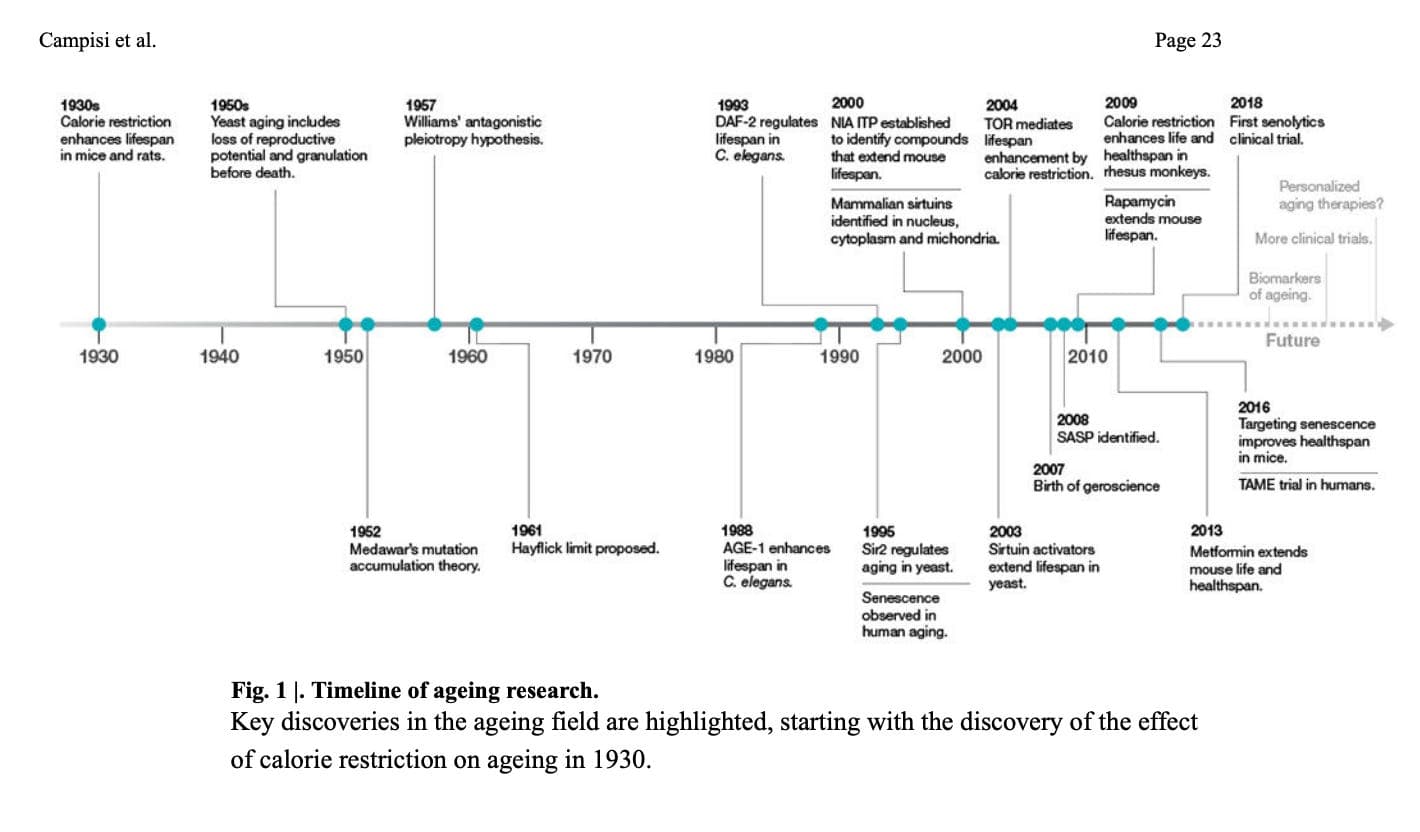
Aging is a genetically druggable phenotype. The data exists. The author, an investor in BioAge and NewLimit, counts fewer than a dozen legitimate companies working on longevity, a field where the upside is measured in 100-plus years of added healthy human life. Neurosensory decline, the weakening of the ciliary muscle that forces reading glasses on people in their 40s, is also on the list, alongside age-related hearing loss. These are not speculative biology problems. They are engineering problems waiting for funded teams.
The full piece lists additional neglected areas beyond fertility and aging, with specific citations to primary literature for each claim. The value is not in the conclusions, which are stated plainly here. It is in the paper trail: Hayashi's 2023 Nature paper, PubMed reviews on oocyte biology, and the mechanistic arguments for why each area is fundable now, not in a decade. Read it if you are deciding where to build.
[READ ORIGINAL →]