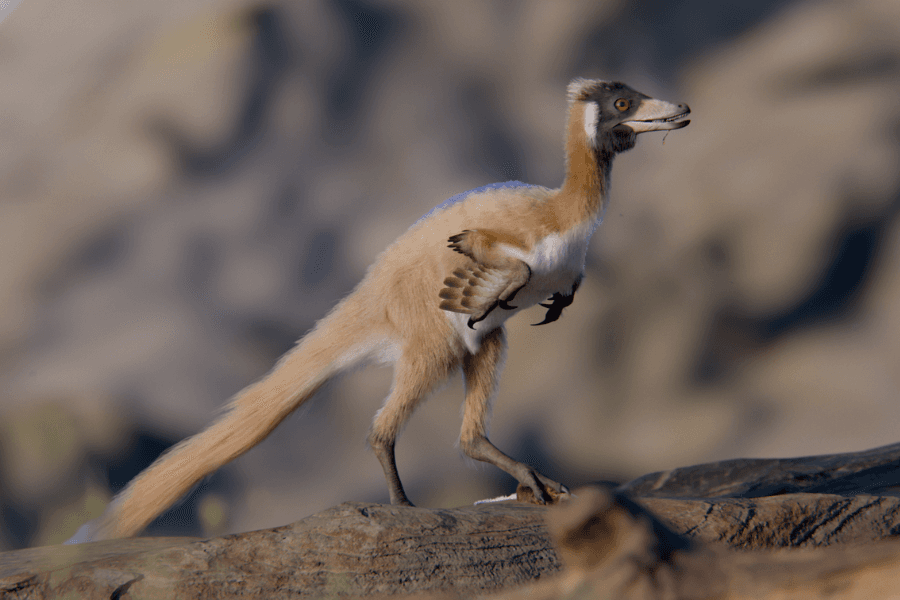
A newly discovered alvarezsaurid fossil is breaking the standard model of dinosaur miniaturization. The species, Alnashetri cerropoliciensis, is one of the smallest alvarezsaurids ever found, but it was not an ant-eater. According to Peter Makovicky, paleontologist at the University of Minnesota, it was a pursuit predator actively hunting insects and small mammals.
Alvarezsaurids were long assumed to have miniaturized specifically to exploit a diet of social insects like ants and termites. The group had short forelimbs, a single oversized thumb claw for digging, minute teeth, and nocturnal sensory adaptations, all pointing toward termite mound specialization in Late Cretaceous Asia and South America. Small body size and that dietary niche were treated as a package deal.
What makes the full article worth reading is not just the conclusion that miniaturization was more complex than assumed. It is the forensic detail of how paleontologists reconstructed Alnashetri's locomotion and feeding behavior from fragmentary remains, and what that process reveals about how confidently we have been mapping body size evolution onto diet across non-avian dinosaurs.
[READ ORIGINAL →]