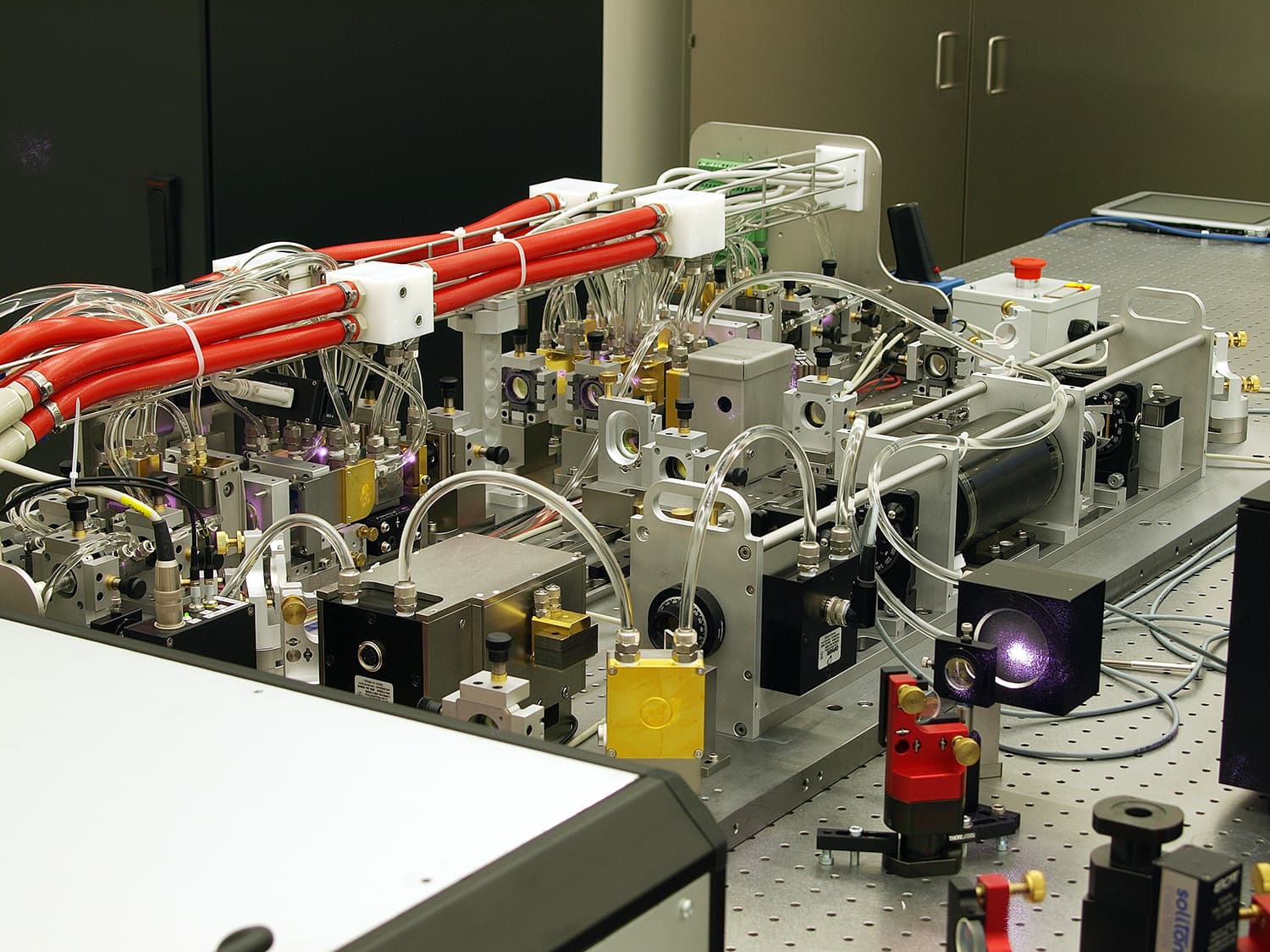
Physicists have experimentally created quantum superpositions of two distinct event sequences, making the temporal order of A before B or B before A a matter of probability, not fact. This is not a metaphor. The experiment probes what researchers call indefinite causal order, a formal challenge to the assumption that cause precedes effect in any fixed, observer-independent way.
The setup builds on a class of delayed-choice entanglement experiments, including a 2012 result where measuring one half of an entangled photon pair retroactively determined how the other half had already behaved through a beamsplitter. The new work goes further: it formalizes the conditions under which causal order itself becomes undefined, and the researchers acknowledge the current version contains loopholes they believe are closable.
Read the full piece for the experimental mechanics, not just the conclusion. The argument about what these loopholes actually are, and what closing them would require, is where the physics gets precise and the implications get serious.
[READ ORIGINAL →]