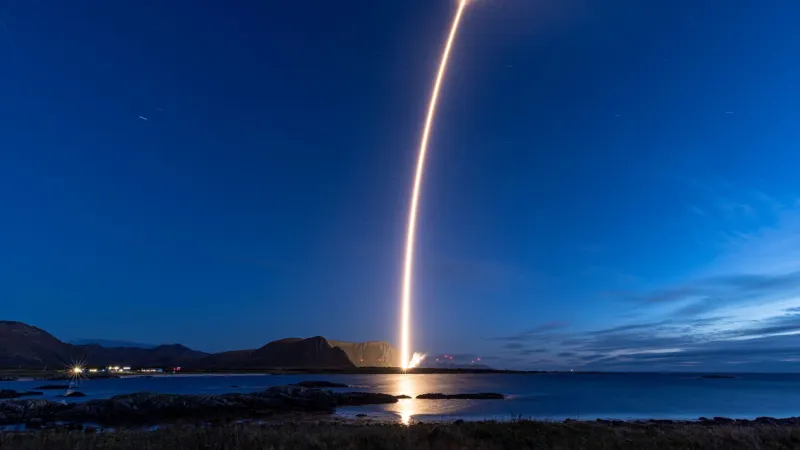
In 2026, Isar Aerospace became the first company to launch a rocket from European soil into orbit. Their Spectrum rocket lifted off from Andøya Space in Norway and successfully deployed six CubeSat payloads, ending a gap that persisted through decades of European spaceflight history and multiple generations of launch vehicles.
The payloads were selected from the German space agency DLR's Microlauncher Competition, a program giving startups and universities access to orbital launches. The six satellites included TriSat-S from the University of Maribor and SkyLabs, FramSat-1 from NTNU SpaceTeam, Sat1 from TU Wien Space Team, CyBEEsat from TU Berlin, Platform 6 from EnduroSat, and Let It Go, an experiment from Dcubed. The press release omitted the full list, but the original article traces where to find it.
Isar is also developing a second launch facility in Nova Scotia, Canada, targeting lower inclination orbits and giving Canada its own domestic launch capability. Read the full piece for the detail on why Norway was the site of this milestone rather than a closer-to-equatorial alternative, and what the Nova Scotia expansion signals about Isar's commercial roadmap.
[READ ORIGINAL →]