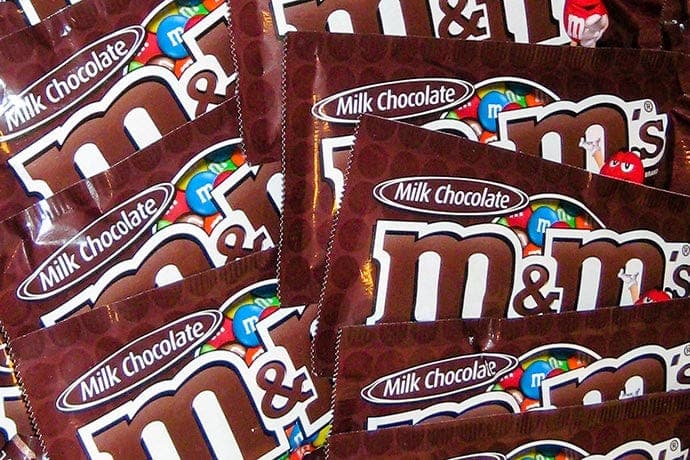
M&M's color choices are not accidental. Mars, Inc. has spent decades engineering the chromatic mix in every bag to exploit how the human brain processes color, appetite, and perceived variety.
The original 1941 lineup included violet, which was pulled in 1949 due to a dye scare. Red was removed in 1976 amid Red Dye No. 2 panic, even though M&M's never used that dye. Consumer fear alone drove the decision. Blue replaced tan in 1995 after a public vote of 10 million people. Every change was a product tactic disguised as consumer engagement.
The article is worth reading in full not for the conclusion but for the mechanics: how color ratios affect purchase behavior, why the 2022 redesign of the spokescandies triggered a political news cycle, and what color psychology research actually says about why humans assign personality to food dye. It is a case study in how a candy company turned pigment into a 50-year narrative control operation.
[READ ORIGINAL →]