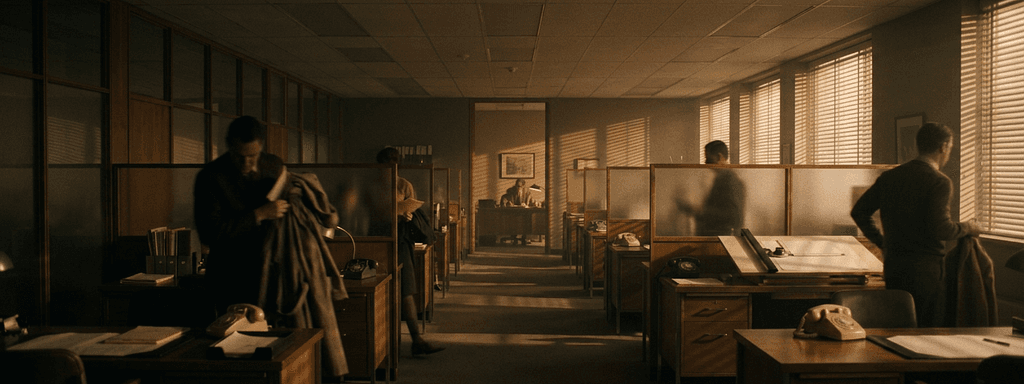
UX inherited its operating model from 1960s advertising agencies, and that model is now a liability. McKinsey data shows the strongest design performers delivered 32 percentage points higher revenue growth and 56 points higher shareholder returns than peers over five years, but that value appears almost exclusively in embedded, in-house teams measured like revenue, not in agencies built around the pitch, the account, and the revolving door. David Ogilvy and Jay Chiat proved advertising could be disciplined and daring. They also built the hero-auteur culture that AdWeek flagged as broken in 2019, before generative AI made the billable artifact nearly worthless.
The piece centers on a structural argument worth reading in full: UX optimized for the pitch room, not the product. The Don Draper Carousel scene is used not as nostalgia but as diagnosis. The performance became the deliverable. The polished prototype replaced the eighth usability session, the accessibility fix, the maintenance cycle, the affordance work that actually changes user behavior. When execution costs drop to near zero and generative AI produces the artifacts in minutes, the only remaining value is judgment, domain knowledge, and measurable outcomes. Hype over practice is no longer a stylistic complaint. It is a business risk.
The argument here is not that agency work produced nothing. It is that the model does not survive contact with AI-era economics. Value-based billing, integrated teams, and iteration with real users over time are the replacement thesis. The author points to what gets skipped in the current model and what fills that vacuum instead. Read it for the structural critique, not the conclusion.
[READ ORIGINAL →]