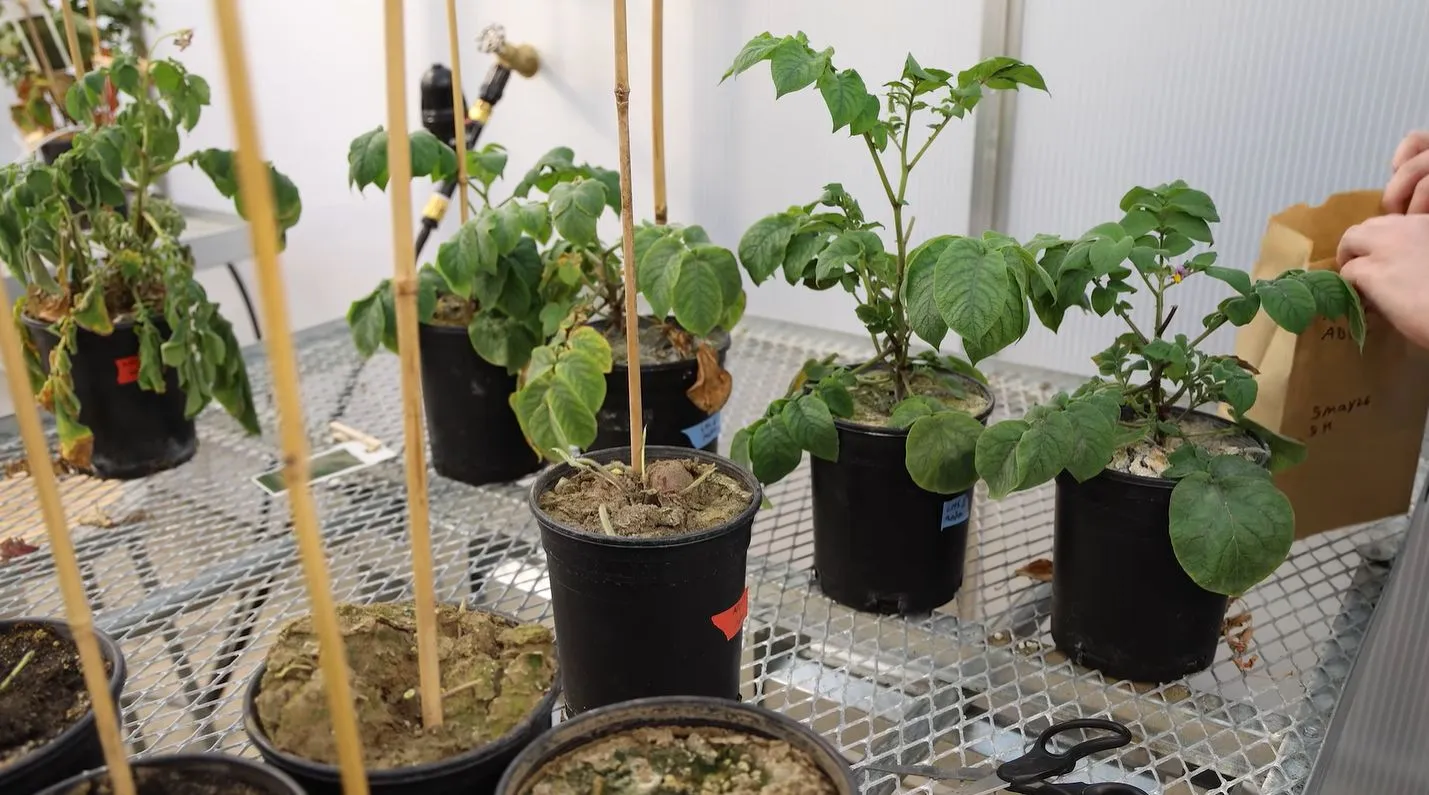
Oregon State University researchers grew potatoes in lunar regolith simulants and published the results in npj Microgravity. The headline finding: it works, but every lunar regolith sample produced less biomass than the Earth soil control, the Adkins variety grown in standard terrestrial soil.
The study goes beyond yield numbers. Researchers measured nutritional value, metal absorption including copper uptake, and cellular health of the plants. The leading hypothesis for reduced performance is mechanical: regolith is microscopically sharp and is believed to cause continuous root damage throughout the growth cycle. Fertilizer was required to get meaningful growth at all.
The full paper is worth reading for the cellular and nutritional data, not just the yield comparison. If lunar bases ever move from concept to construction, these numbers become an engineering constraint, not a curiosity. Expect follow-up work to focus on regolith processing or hydroponic workarounds to bypass the root damage problem entirely.
[READ ORIGINAL →]