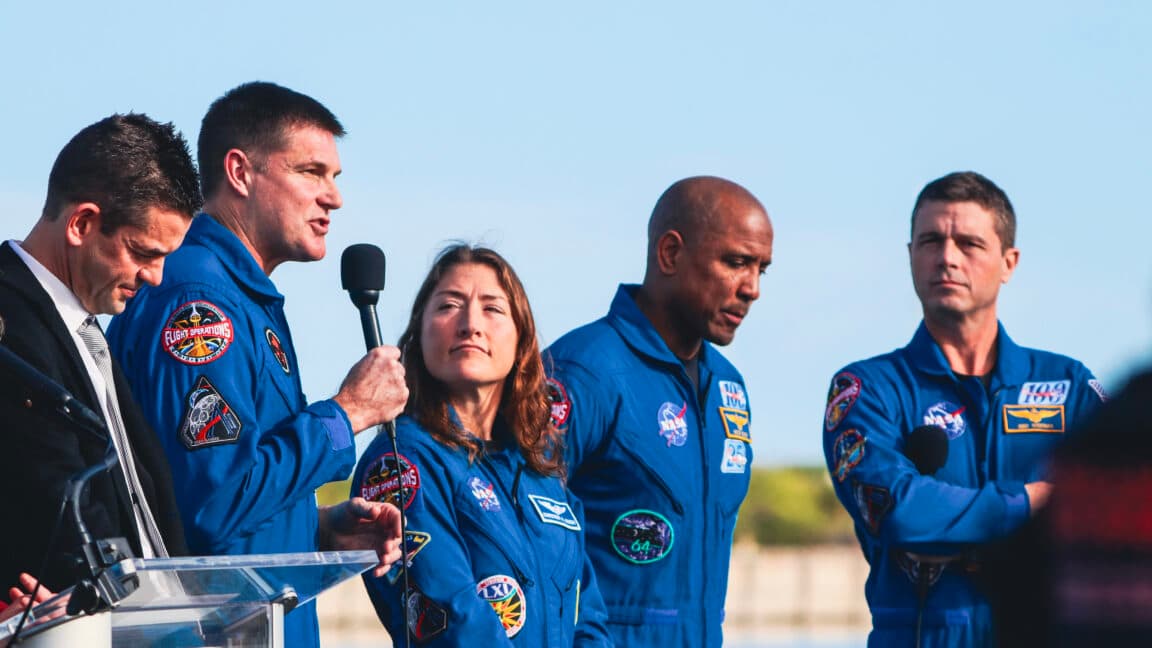
NASA officials dodged direct risk questions at Thursday's Artemis II press conference. The mission, launching no earlier than 2026, will send humans to lunar vicinity for the first time since Apollo 17 in 1972. That gap matters: this is not a routine ISS run at a few hundred miles altitude. The mission profile is categorically different, and the risk calculus is too.
The hedging is not just PR caution. Quantifying risk for a mission with no recent precedent is genuinely hard. Reporters were right to push. The astronauts, NASA's workforce, Congress, and taxpayers funding the Orion and SLS program all deserve straight answers about what "acceptable risk" means when the destination is 240,000 miles away.
The full article is worth reading for what NASA did and did not say, and why the distinction between ISS-class risk and deep space risk is not just technical but institutional. The question of how NASA frames danger to the public, and whether that framing is honest, is the real story here.
[READ ORIGINAL →]