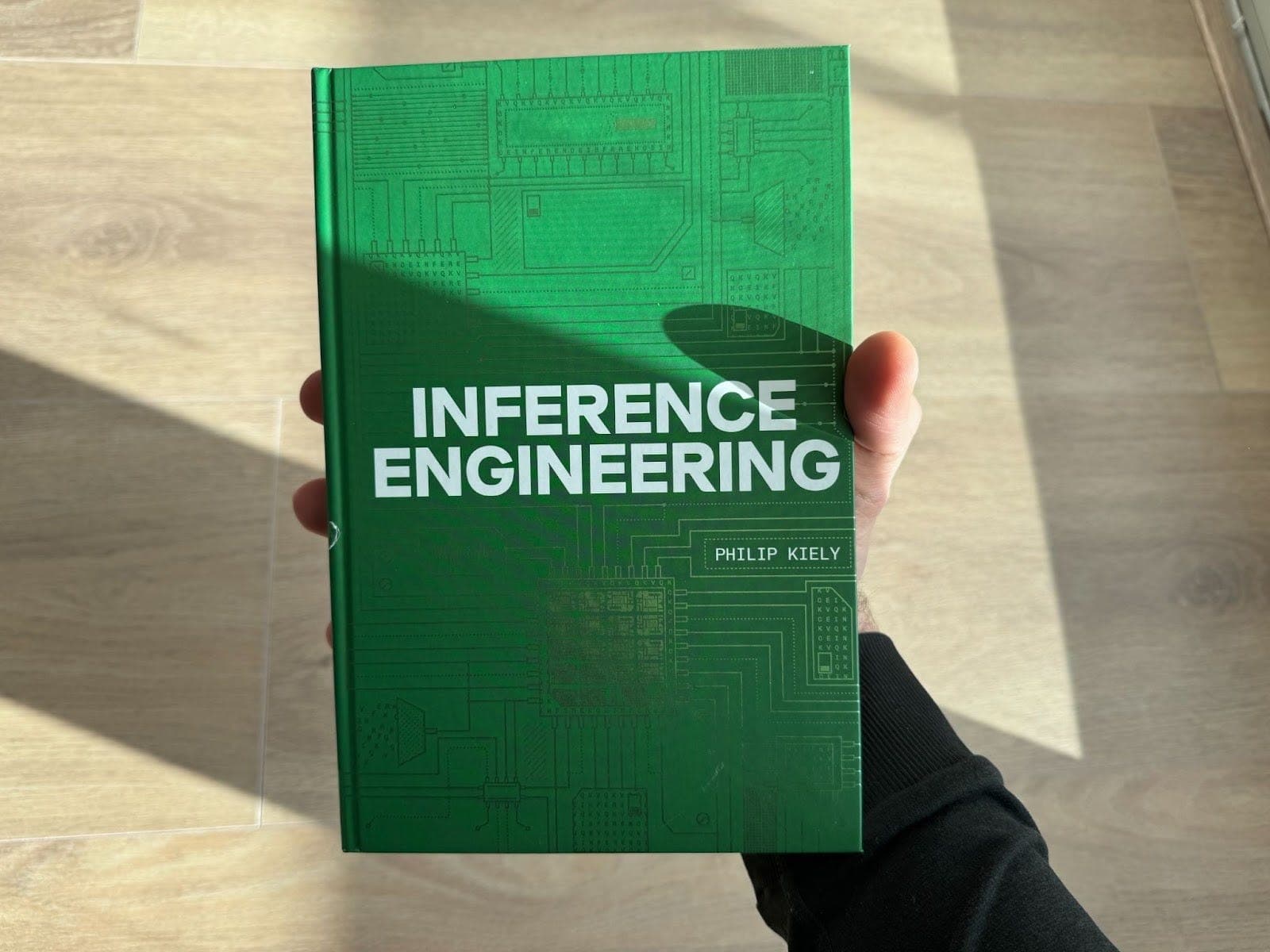
Inference engineering is no longer a niche specialty for AI lab employees. With open models proliferating in 2026, any engineering team deploying an LLM, including Cursor, which built Composer 2.0 on top of the open Kimi 2.5 model, now owns their own inference stack. Philip Kiely, a software engineer with four years at inference startup Baseten, wrote a full book on the discipline. This piece draws on that work to map the field for software engineers who need to care about it now.
The article covers seven distinct layers of inference engineering: why it matters, what inference actually is at a technical level, when to invest in it, the hardware involved (primarily datacenter GPUs), the software stack (CUDA, Dynamo, PyTorch, vLLM), the infrastructure requirements (Kubernetes autoscaling as a baseline, multi-cloud for high-scale deployments), and five concrete techniques for making inference faster, including quantization. The hardware and software sections alone are worth the read for engineers who only know inference from the API side.
The original is worth reading in full because the techniques section is where the practical value lives. Knowing that open models can be tuned for inference performance changes how engineering teams should evaluate build-versus-buy decisions for AI features. The field is moving fast enough that understanding the vocabulary, batching, caching, quantization, autoscaling, is now a baseline competency for senior engineers working on any AI-adjacent product.
[READ ORIGINAL →]