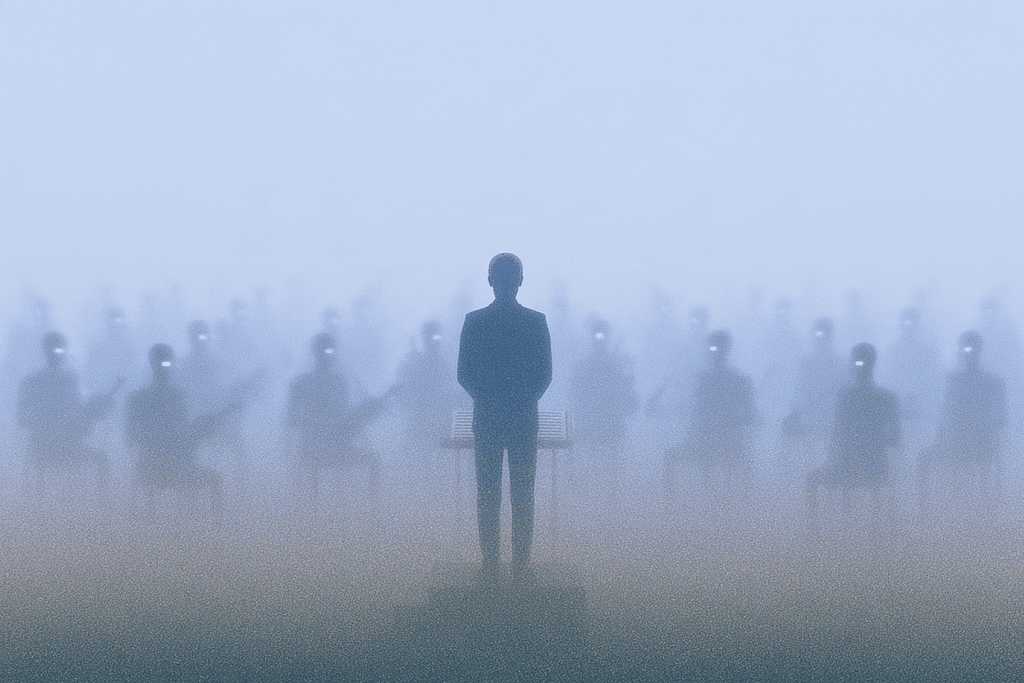
Working with AI agents does not save time. It converts saved time into more work. The author, a designer with 20 years of experience, documents how tasks that once took days now take hours, but that gap fills immediately with new projects. Berkeley researchers Xingqi Maggie Ye and Aruna Ranganathan spent eight months inside a 200-person tech company and found the same pattern: people voluntarily took on more roles, worked through breaks, and ran multiple AI processes simultaneously. The capacity expanded, and humans filled it.
The operational cost is attention. Cognitive psychologist Sophie Leroy identified 'attention residue': switching tasks before mentally disengaging from the previous one degrades performance on what comes next. The author is running five or six agent threads at once, each returning results in an uncontrolled order, each requiring a full mental reload of goals, prior decisions, and open risks. The computer holds the thread. The brain does not. This is not a productivity system. It is an industrial-scale version of a known cognitive liability.
The sharpest observation in this piece is not about productivity or attention. It is about structure. The author realizes that a self-generated queue of agent outputs, short items on unrelated subjects arriving out of order, is functionally identical to an algorithmic social media feed. The difference: no algorithm is responsible. The author built it, triggered every item, and is also the one consuming it. That realization, and what it implies about agency and attention in AI-assisted work, is why the full piece is worth reading.
[READ ORIGINAL →]