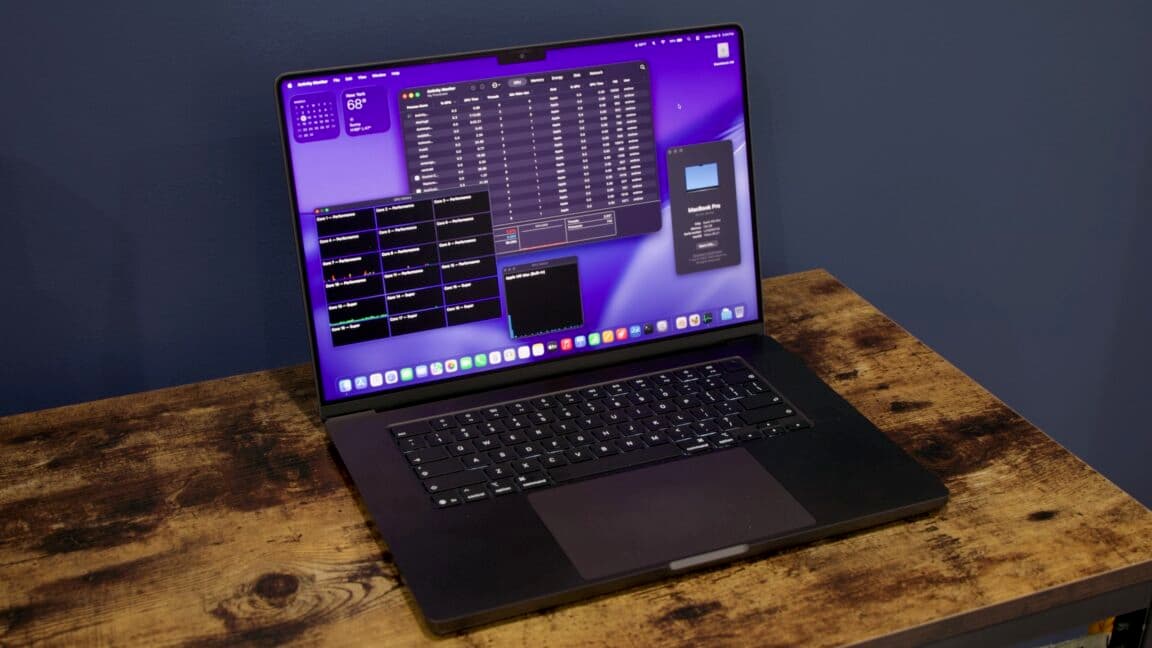
Apple's M5 Pro and M5 Max abandon the monolithic die design that defined Apple Silicon since M1. Both chips now use a multi-die 'Fusion Architecture,' splitting CPU cores onto one piece of silicon and GPU cores onto another, then packaging them together. This is the same approach Apple used to build the Ultra chip, now applied to the Pro and Max tiers.
The architecture split has real consequences. Both M5 Pro and M5 Max share an identical 18-core CPU die, but diverge on the GPU side: Pro gets 20 cores, Max gets 40. The memory controller lives on the GPU die, which means Max retains its bandwidth and capacity advantages over Pro by default.
The full review goes deeper than the die architecture. It tests the new 'performance' cores specifically, which makes it worth reading beyond the spec sheet. The structural change raises questions about thermal behavior, sustained workloads, and whether the multi-die approach introduces any latency penalties that show up under real conditions.
[READ ORIGINAL →]