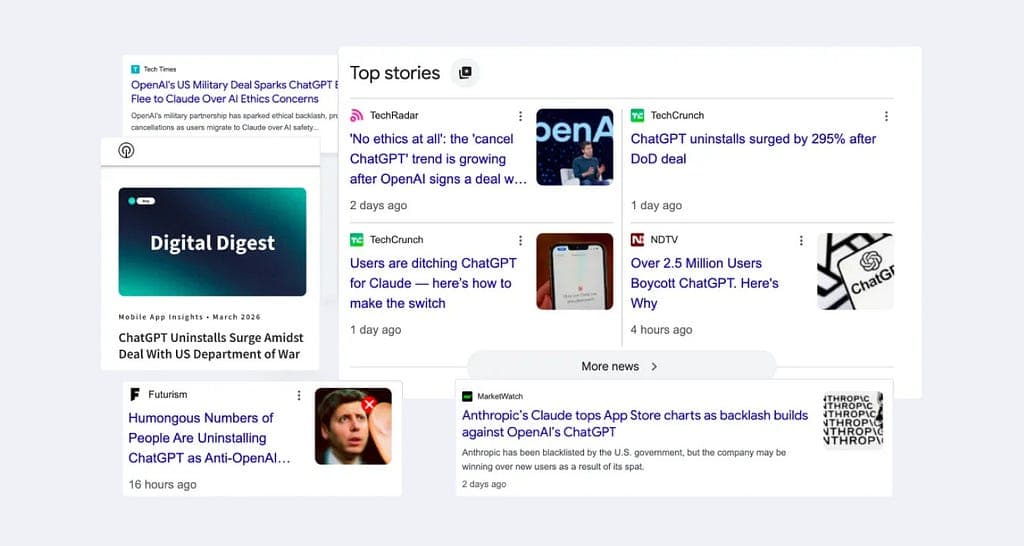
In the last week of February 2026, a sitting US president publicly labeled a private tech company a political threat, the Secretary of Defense classified it a supply chain risk, and a competing AI lab absorbed the lost government contract within hours. Dora Czerna uses that sequence as the entry point for a sharper argument: product ethics are no longer a compliance checkbox. They are a survival condition.
Three pieces sit alongside it and deserve equal attention. Marcos Rezende diagnoses AI adoption theatre, the gap between performing innovation and actually delivering it. An anonymous post at terriblesoftware.org names the structural reason complexity beats simplicity in promotion cycles: overbuilding produces a narrative, shipping the minimal working solution produces nothing legible to a review committee. And Kem-Laurin Lubin, Ph.D., frames AI harm not as a policy problem but as a design practice problem.
The argument running underneath all of it is the same one Adrian Levy makes directly: designers are still building mental models around an architecture that no longer exists. Read Czerna's piece for the political case, then read Levy's for the technical one. Together they map the actual terrain.
[READ ORIGINAL →]