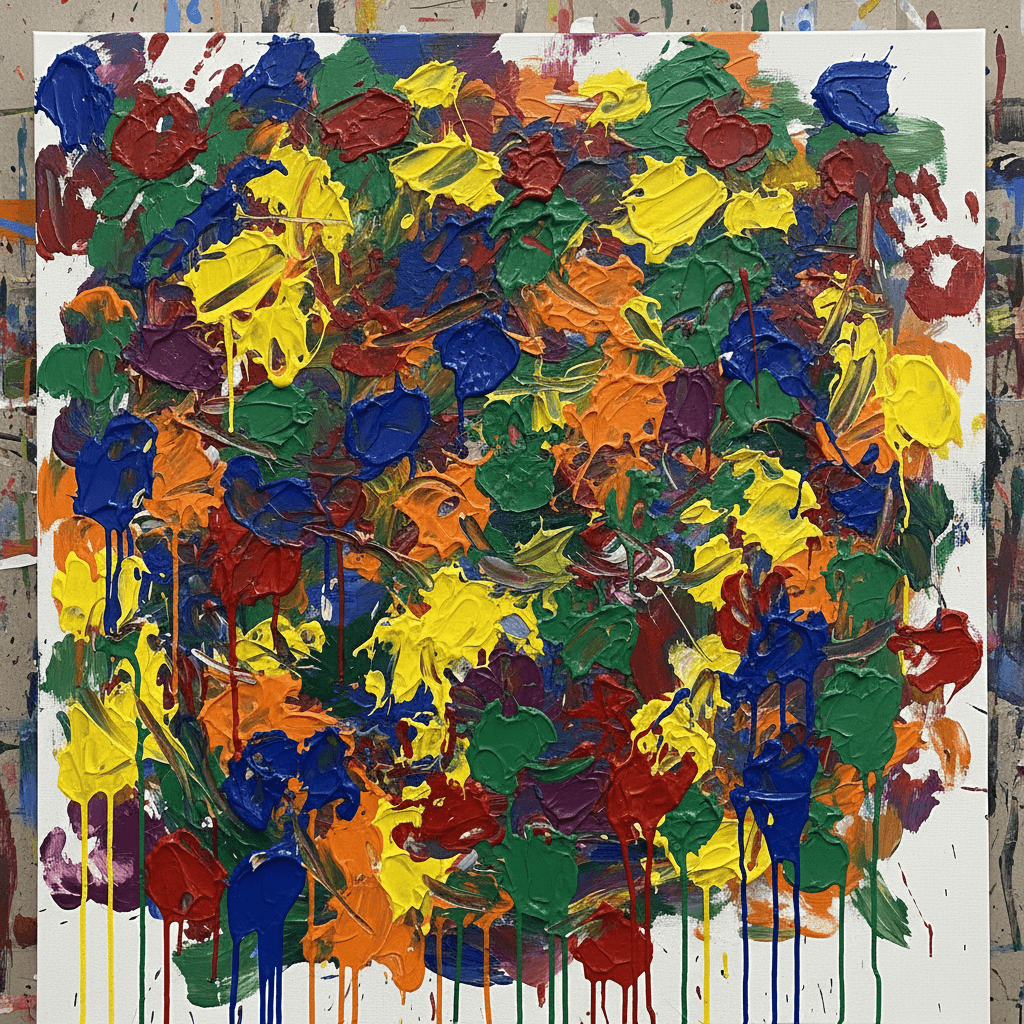
After 16 years of writing, fine-tuning models to mimic his voice, and testing more than 10 AI systems, Tomasz Tunguz has a blunt verdict on AI as a writing partner: each model has its own voice, and none of them is yours. Gemini beams sunshine. Claude is languid but sharp. OpenAI is dispassionate. Using all three as an editorial council, inspired by AI code review workflows, produced not a refined draft but what he calls a fingerpaint disaster.
The experiment exposes a specific, underreported problem. At the fourth draft stage, Tunguz had Gemini, Claude, and OpenAI edit his post against each other. The models could not agree on tone, structure, or style. One returned this: 'This is a three-beer conversation mistaken for a finished essay.' Brutal, specific, and ultimately useless at scale. The piece is worth reading for that critique alone, and for what Tunguz does with it.
His conclusion is not that AI writing fails. It is that imperfection is now the signal. Vinyl pops, Kodachrome flares, ampersands, the broken analogy: these are what authenticate human writing as AI floods the content layer. The argument is short, unresolved in places, and honest about its own limitations. That is exactly the point he is making.
[READ ORIGINAL →]