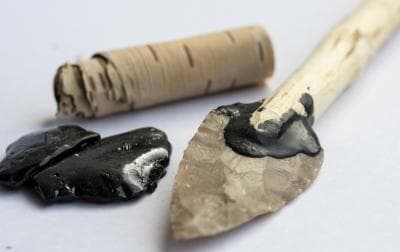
Neanderthals used birch tar as an antiseptic, not just an adhesive. A recent study tested distilled birch tar against S. aureus and E. coli and confirmed the material kills bacteria effectively. Neanderthals, already known to have extracted and used birch tar to haft weapons at multiple archaeological sites, had the same substance on hand to treat the injuries they sustained with notable frequency.
The connection to living practice matters here. The Mi'kmaq of eastern Canada still use the fluid form of birch tar, called maskwio'mi, as a wound dressing and skin ointment. That continuity of use across cultures and millennia is not coincidence. It is evidence. Birch tar ranges from oily liquid to brittle resin depending on heating time, and the specific preparation choices tell researchers something about intentionality.
The full article is worth reading for the production details: how heating duration changes the tar's properties, what the bacterial test results actually showed, and what this means for how researchers categorize Neanderthal cognitive behavior. The antiseptic finding is the headline, but the methodology and the archaeological record behind it are the story.
[READ ORIGINAL →]