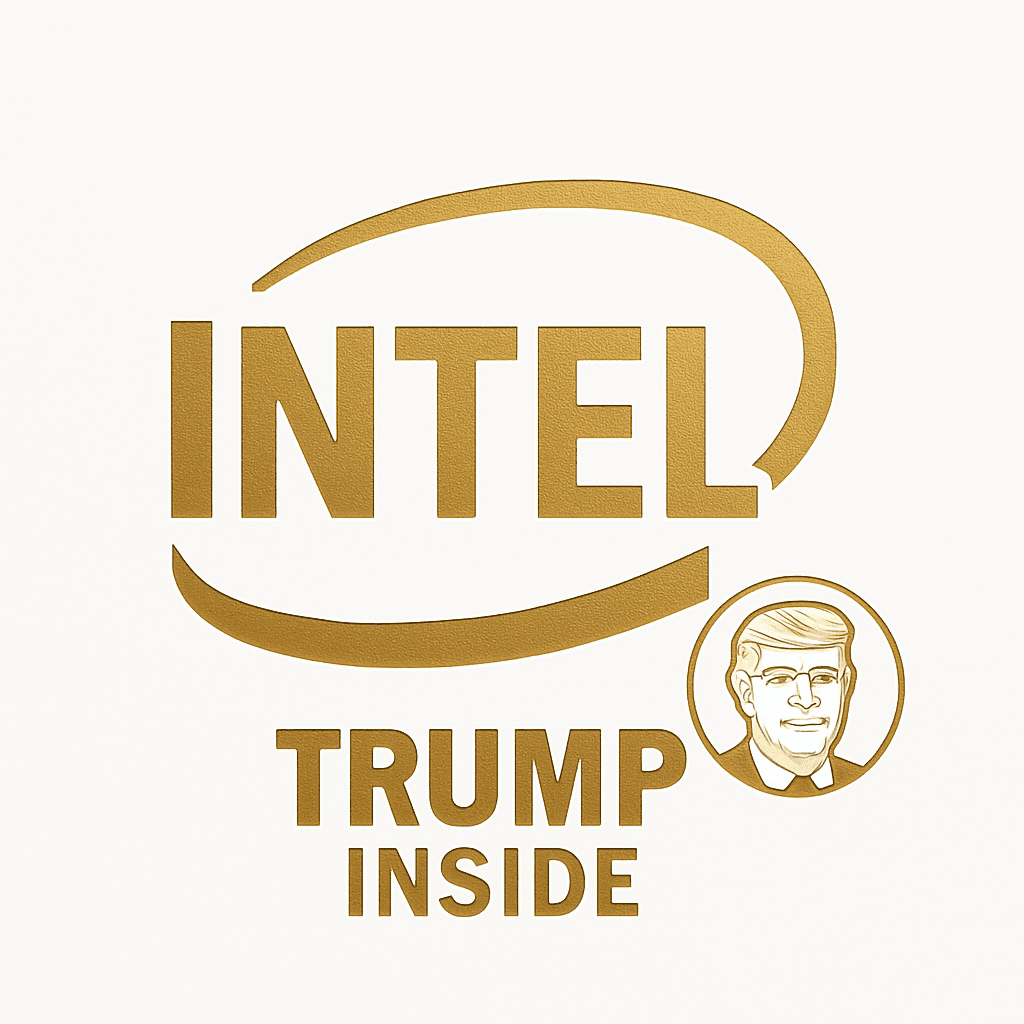
The Trump administration is reportedly discussing taking a direct equity stake in Intel. Bloomberg reported this on August 14, 2025. This is not a bailout rumor. It is a structural intervention in the last American company capable of manufacturing leading-edge semiconductors domestically. Intel's board has been fighting it. That board has already presided over one of the most catastrophic declines in semiconductor history.
Intel invented the microprocessor, the first commercial DRAM, strained silicon, high-k metal gates, and FinFETs. Nvidia is today's dominant name, but Intel built the foundational layer that made modern chips possible. None of that history prevents the company from running out of money. Intel publicly announced it would halt development of nodes beyond 14A. The author's read: that announcement was a threat, not a plan. Fund us or the only American leading-edge foundry goes dark.
The original piece is worth reading in full because it does not stop at the government-stake headline. It traces the board failures that created this crisis, explains why the foundry business is the asset worth saving even as the CPU business loses relevance, and maps out what a realistic restructuring actually requires. The diagnosis on Intel's board governance alone is specific enough to change how you think about who killed this company and why.
[READ ORIGINAL →]