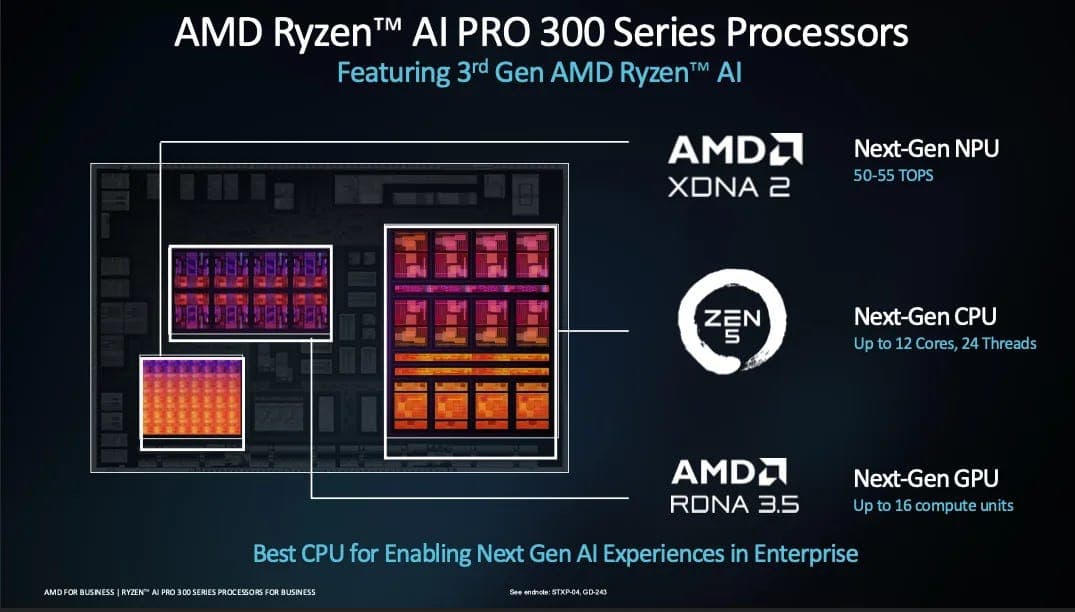
Canonical VP of Engineering Jon Seager told The Pragmatic Engineer that Ubuntu's core AI strategy is hardware enablement, not feature bloat. The OS aims to fully support GPUs, NPUs, and DPUs out of the box, with day-one driver support locked in through direct partnerships with NVIDIA, AMD, and Intel. Ubuntu also supports x86-64 architecture variants, meaning newer CPUs run significantly faster on Ubuntu without dropping support for older hardware.
The more forward-looking details are in the local-first inference work and the early-stage agentic workflow planning. Canonical is building 'inference snaps' that automatically select the right model and quantization for a given machine. Agentic OS-level support is explicitly described as early exploration, not a roadmap commitment. On the developer side, Canonical is pushing harder on ARM64 laptop support and OS-level sandboxing for AI tooling, while internally dropping its skeptical stance toward AI without setting token usage or AI-generated code targets.
The full article also breaks down what other Linux distributions are doing: Arch Linux leaves AI setup entirely to the user, Omarchy bundles easy AI tool installation, and Red Hat Enterprise Linux ships with AI baked into the command line alongside accelerator support. A Windows follow-up is coming. Apple did not respond.
[READ ORIGINAL →]