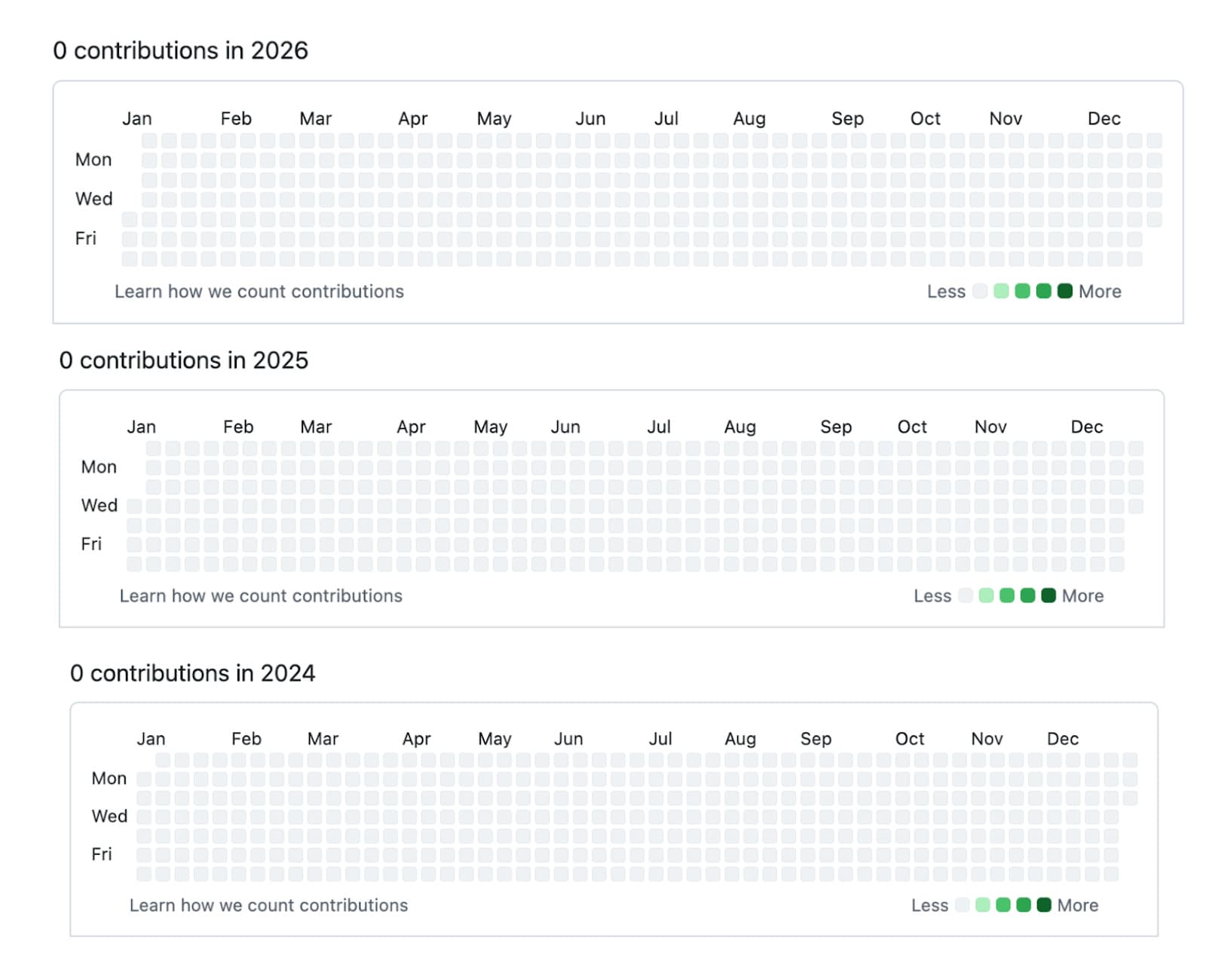
A top-3% Uber engineer called 'Sam' never applied for a single job. Former colleagues chased him down. One startup, not actively hiring, offered to create a role specifically for him. His LinkedIn lists employers and nothing else. His GitHub has roughly a dozen commits over ten years and zero activity in the last five years. He has no social media presence. He still had three warm interview leads when this piece was written.
The Pragmatic Engineer interviewed Sam directly, plus one of his former Uber managers. The article breaks down exactly how Sam operates across three areas: getting things done through high-level task breakdowns and framing delays as tradeoffs for stakeholders, setting hard boundaries around priorities and treating that as a daily discipline, and building a professional reputation entirely through in-person work quality rather than public output. The argument is not that visibility is bad. It is that execution and internal trust compound faster than follower counts.
Read the full piece for the manager's perspective on what made Sam stand out during performance calibrations, and for the specific tactics Sam uses to communicate with stakeholders under pressure. The piece answers a question most career advice ignores: what does a genuinely elite engineering reputation actually look like when it is built with zero public signal to verify it.
[READ ORIGINAL →]