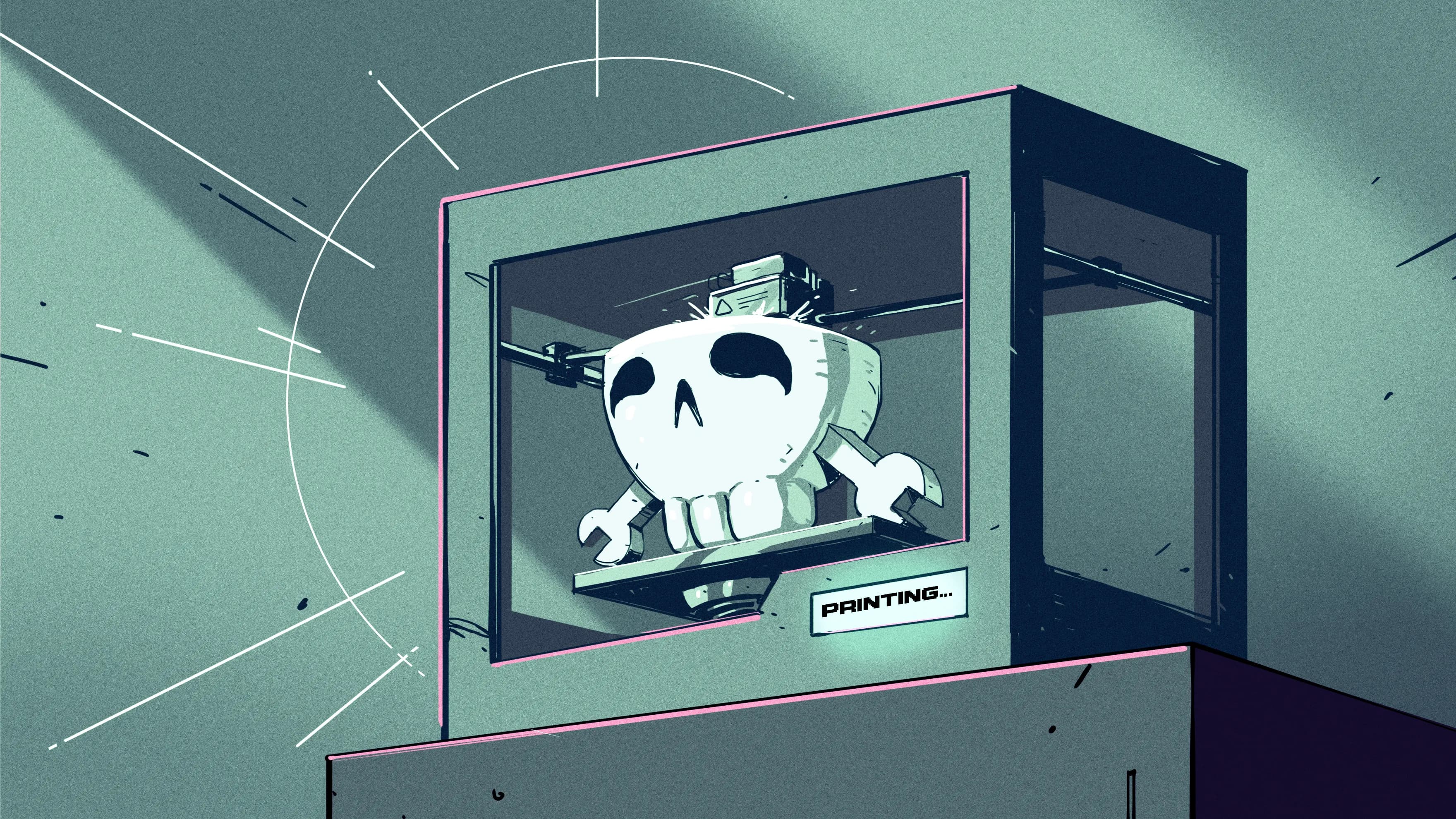
Consumer FDM printing may have reached its mechanical ceiling. That is the central claim from The Next Layer, whose video argues that input shaping, CoreXY kinematics, and aggressive market competition have collectively closed the gap between FDM and SLA quality, and that incremental hardware gains are now shrinking fast.
The evidence is in the generational comparisons. A MakerBot Cupcake versus an Ultimaker 2, then an Ultimaker 2 versus a Prusa Mini: each jump was dramatic. The gap between a 2020 FDM printer and a 2026 model is not. The Mini's output is closer to Bambu Lab's current best than any previous equivalent pairing, and multi-color tool-changing machines have dropped from professional-only to consumer pricing in the same window.
The piece is worth reading in full not for its conclusion but for what it leaves unresolved. The Next Layer gives almost no attention to SLA, despite its quality advantage, and only briefly gestures at SLS and UV-based processes as the next frontier. The question of why FDM captured the consumer market despite those alternatives, and whether that changes as UV printing matures, is the thread that runs underneath the whole argument.
[READ ORIGINAL →]