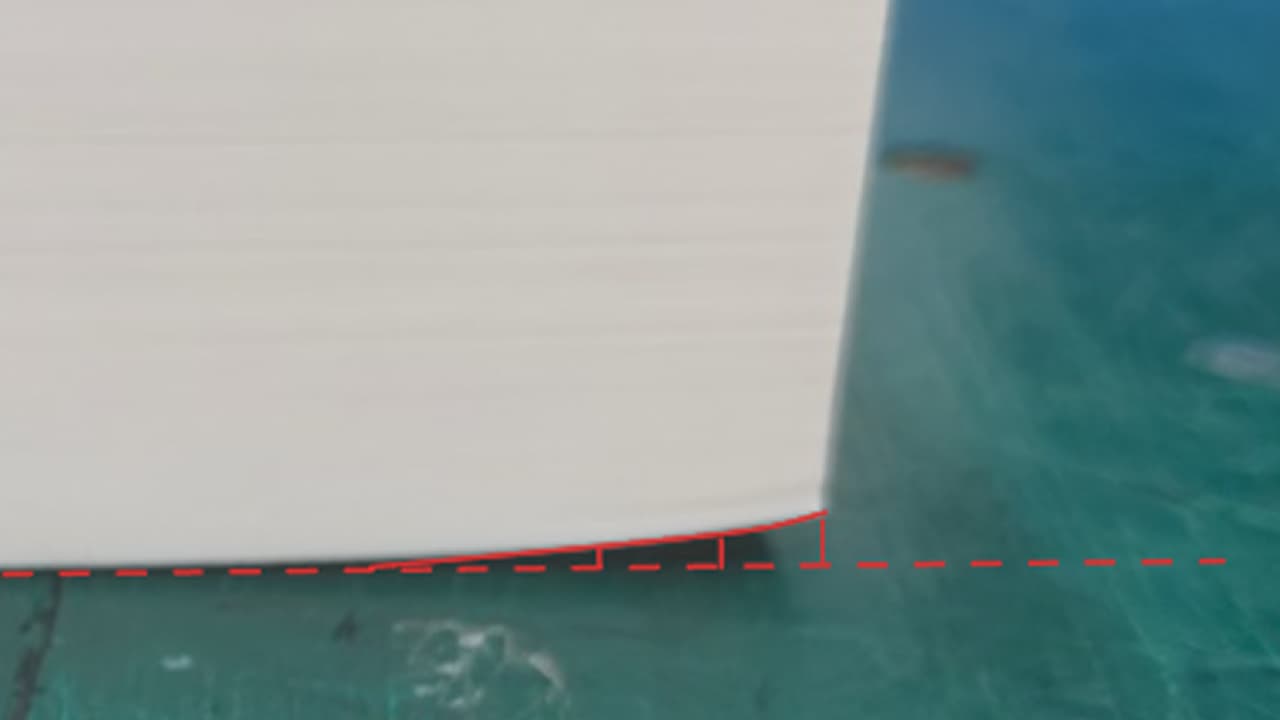
Warping in FDM prints is a physics problem, not a cleanliness problem. Plastic shrinks as it cools, and wide flat geometries with sharp corners concentrate that thermal stress at the edges, pulling corners off the bed. A practical roundup on MakerWorld catalogs the failure modes and ranked solutions in one place.
The fixes range in complexity. Brims add surface area and slow edge cooling, both useful. Thinner walls and altered infill patterns reduce internal stress. The most effective intervention is geometric: breaking a model's flat bottom into a shallow grid of smaller zones distributes shrinkage forces instead of letting them accumulate at corners. The guide shows exactly how that grid pattern is structured and why it works better than brim-only approaches.
The original is worth reading for the design-side tips aimed at anyone modeling their own parts. It connects warping prevention to broader Design For Manufacturability principles, meaning the same thinking that stops corners from lifting also produces structurally stronger prints overall. If you run large flat prints regularly, the model-modification section alone justifies the read.
[READ ORIGINAL →]