Jensen Huang declared 'AGI has arrived' on X in response to OpenAI's GPT-6 Astra launch. The problem: Stargate Abilene, the Crusoe-built data center underpinning the claim, has at most four of eight buildings functional, and Abilene's total capacity is 400,000 Blackwell GPUs, of which roughly half are actually installed. No one at NVIDIA, Crusoe, OpenAI, or the Wall Street Journal has defined what AGI means. TIME quoted OpenAI CRO Mark Chen saying the company was '80% of the way' to AGI. Days later, COO Greg Brockman said we had entered 'the AGI era, whether you view it as this model, the last one or the next one.' That is not a definition. That is a press cycle.
The timing matters. Both Anthropic and OpenAI are moving toward IPOs. The AGI noise serves a specific function: redirect attention from the underlying financials, where demand figures are soft and cloud software costs are hard to justify. This is the core argument Zitron is building toward, and it is the reason you should read the full piece rather than the coverage it generated.
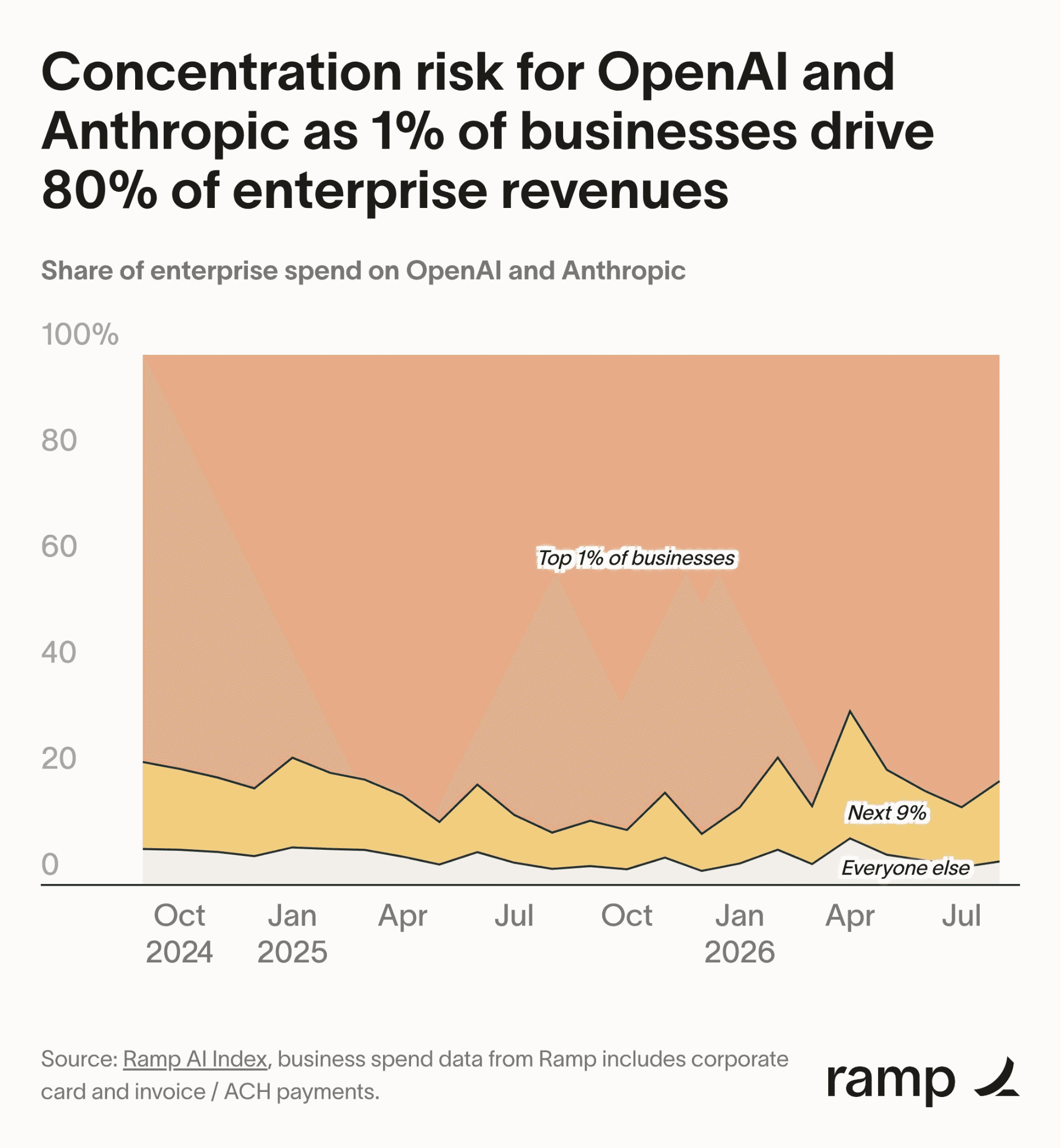
The article pivots to concentration risk, a term from banking regulation describing overexposure to a single asset, customer, or business line severe enough to threaten an institution's core operations. Zitron argues a Silicon Valley Financial Crisis is forming around exactly this kind of exposure. The full piece names names, cites specific capital structures, and explains what breaks first when the pressure does not hold.
[READ ORIGINAL →]