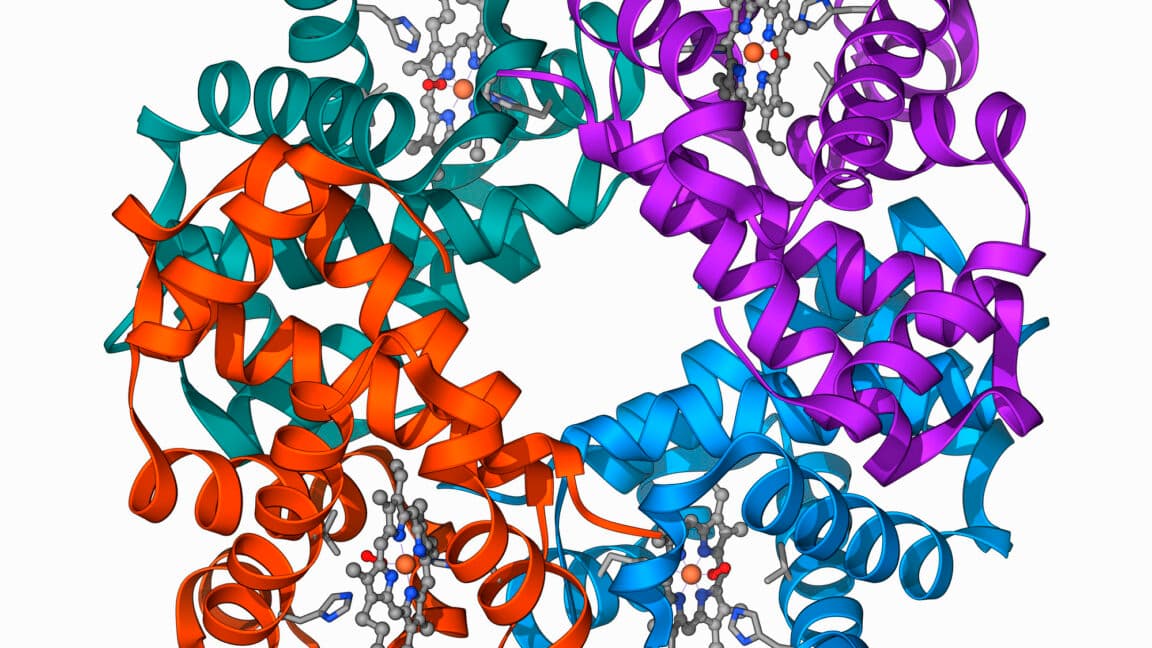
The FDA approved the first CRISPR-based therapy for sickle-cell anemia just over two years ago. Now a large Chinese research collaboration has published results showing a next-generation gene editing system works for β-Thalassaemia, a closely related blood disorder. The new system produces more targeted edits with fewer off-target errors than standard CRISPR/Cas9.
The core mechanism matters here. Standard CRISPR/Cas9 uses guide RNAs to base-pair with a target DNA sequence, then cuts it. The problem is precision: cuts happen near the target, not always at it, and mistakes accumulate. The Chinese team's improved system addresses this directly, and the clinical trial results validate it in human patients, not just cell lines or animal models.
The full article is worth reading for the technical breakdown of what specifically makes this editing system more precise, and for the clinical trial data showing how patients responded. The jump from sickle-cell anemia to β-Thalassaemia suggests a broader therapeutic platform, not a one-off treatment, which changes what CRISPR-based medicine looks like at scale.
[READ ORIGINAL →]