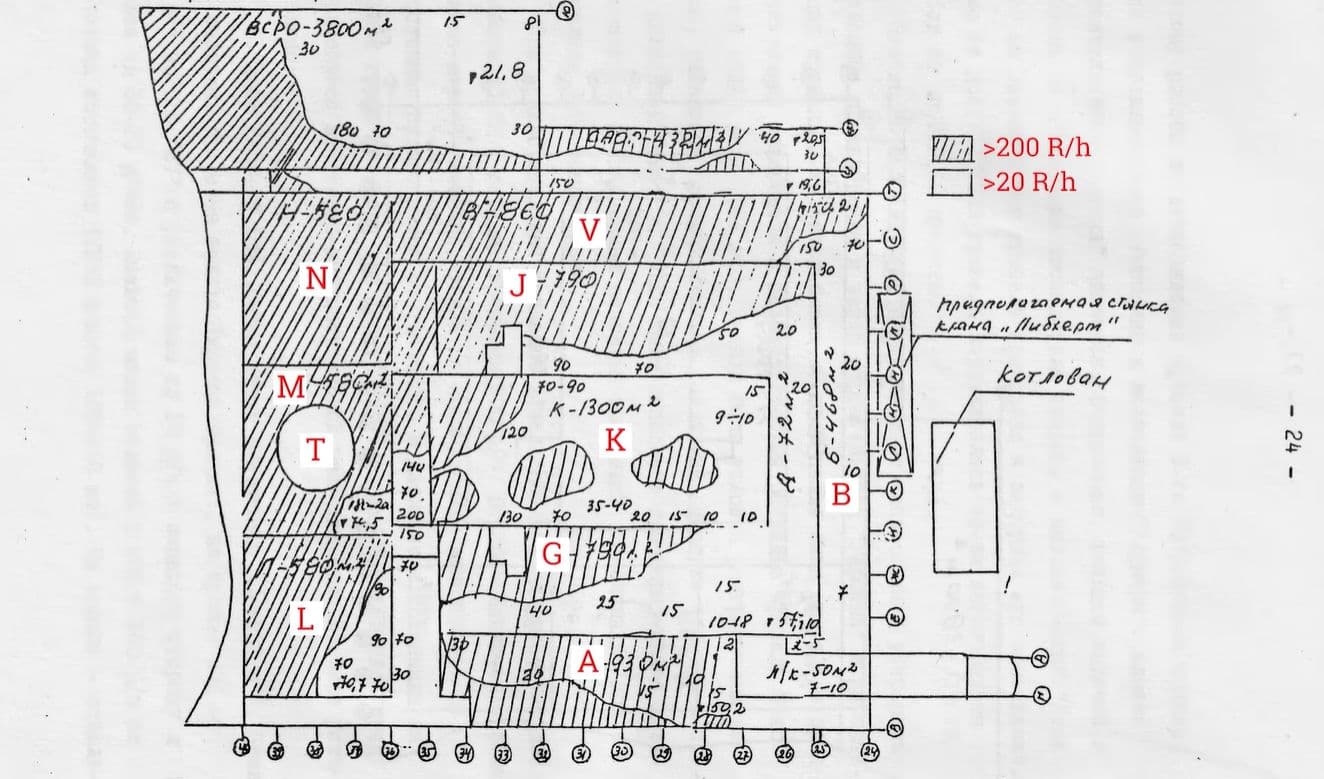
After Chernobyl Reactor No. 4 exploded in April 1986, Soviet engineers had days to design robots capable of operating in lethal radiation fields and clearing reactor core debris from the rooftops. The Chornobyl Family YouTube channel has released an extensive updated documentary covering this improvised robotics program, which pulled teams from across the USSR and allied nations to produce one of the most chaotic engineering sprints in history.
The failure rate was brutal. The RR-1 radiation measurement robot overstated readings by more than a factor of ten. The RR-2 and RR-3, deployed by helicopter, were too top-heavy and simply fell over. Manual measurement ultimately proved faster and more accurate than the early automated alternatives. The machines that worked best used internal combustion engines instead of batteries, since combustion engines degrade far more slowly under intense radiation. The BAER Beloyarets, built on an airport cart chassis with vacuum tube electronics and relays, became one of the most reliable designs of the entire program and is still preserved on display in the Chornobyl Exclusion Zone.
The piece is worth reading for the engineering details: the progression from primitive TR-1A debris pushers to bulldozer-class machines like the STR-1, which cleared radioactive material off rooftops into containers at scale. The broader lesson, directly applicable to the ongoing Fukushima Daiichi decommissioning, is what happens when robotics development skips testing entirely and deploys straight into the worst environment on Earth.
[READ ORIGINAL →]