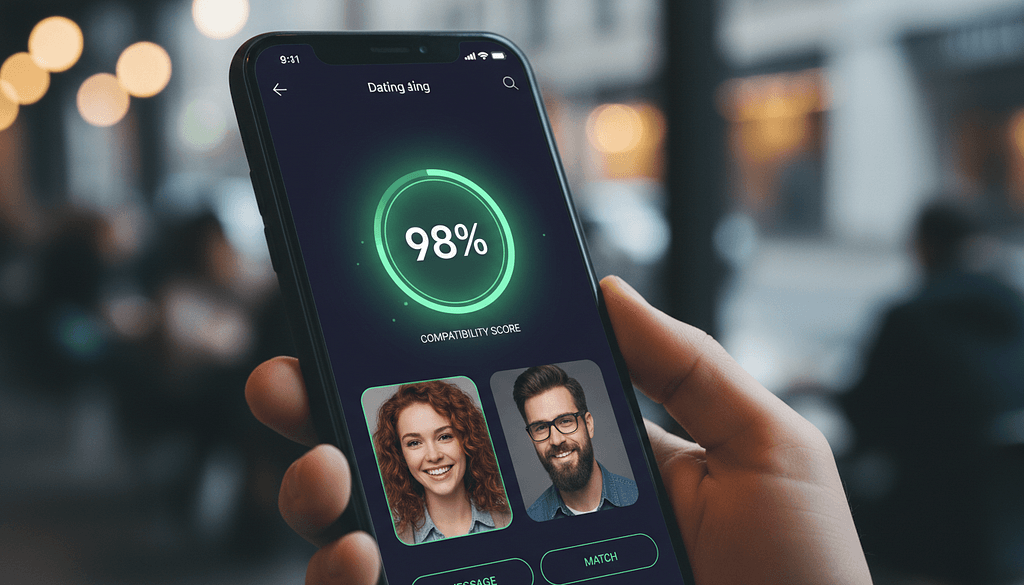
Dating apps are broken by design. A Forbes survey found 78% of users experience burnout. Tinder and Bumble have lost paid subscribers for two consecutive years. Match Group, parent of both Tinder and Hinge, signed an enterprise deal with OpenAI in 2024 as part of a $20 million-plus AI investment, with CEO Spencer Rascoff claiming AI will 'change everything.' The industry's response to user exhaustion is more technology.
The AI features already deployed range from Tinder's Smart Photos, which silently reorders your profile images by swipe performance, to third-party apps like Rizz, which has 1.5 million monthly users generating copy-paste conversation lines. Compatibility scoring, AI clones that pre-screen matches through proxy conversations, and in-app coaching tools have all launched. Only 15% of users believe any of it will lead to better relationships. Women are more skeptical: 10% positive versus 20% of men. A Boston University survey found 60% of respondents believe most people already lie on dating apps, and AI trained on dishonest inputs compounds that problem. One key finding worth reading in full: research shows that unlimited partner access creates a 'rejection mindset,' with match acceptance rates dropping 27% from first to last profile viewed. AI lowers the cost of rejection further, not the threshold.
The article's core argument is that AI cannot fix what the apps are built to perpetuate. A 2023 study of 30 dating apps found most rely on dark patterns and gamification to sustain revenue, including blurred likes gated behind paywalls and match animations engineered to release dopamine before ghosting follows. Efficiency is not the solution when the product's business model depends on keeping users dissatisfied and returning. The piece is worth reading for its breakdown of how each AI feature interacts with existing user psychology, not just the conclusion that none of it works.
[READ ORIGINAL →]