AI companies are destroying physical books at scale to harvest pre-2002 text for model training. The process is deliberate: spines are cut to flatten pages for faster digitization, and physical copies are then discarded. The legal logic is blunt: buy one copy, digitize it, destroy it, claim only one copy exists, and attempt to sidestep publisher copyright claims.
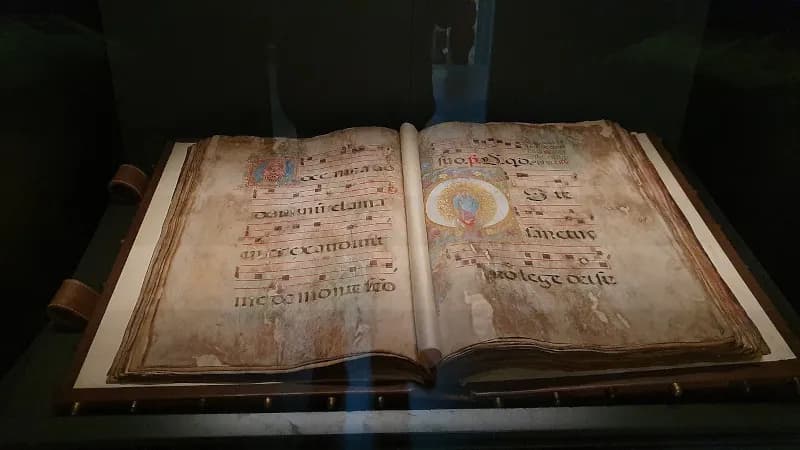
The outrage hinges on the word 'rare,' and that word does not survive scrutiny. Every book in these scanning operations is ordered by ISBN, a cataloging system that did not exist before 1970. No medieval manuscript has an ISBN. What is actually being destroyed is post-1970 mass-produced print inventory, books whose survival already depended on commercial print runs and market demand, not cultural preservation efforts. The original article makes the specific, useful point that any ISBN book that is both genuinely rare and genuinely valuable almost certainly already has its future secured elsewhere.
The full piece is worth reading for one argument the headline buries: the publishing industry pulps enormous quantities of books every year as standard commercial practice, with zero public outcry. The author spent years inside that industry and uses that context to dismantle the book-burning comparison directly. The case for outrage may be real, but it needs a more precise target than the word 'rare.'
[READ ORIGINAL →]